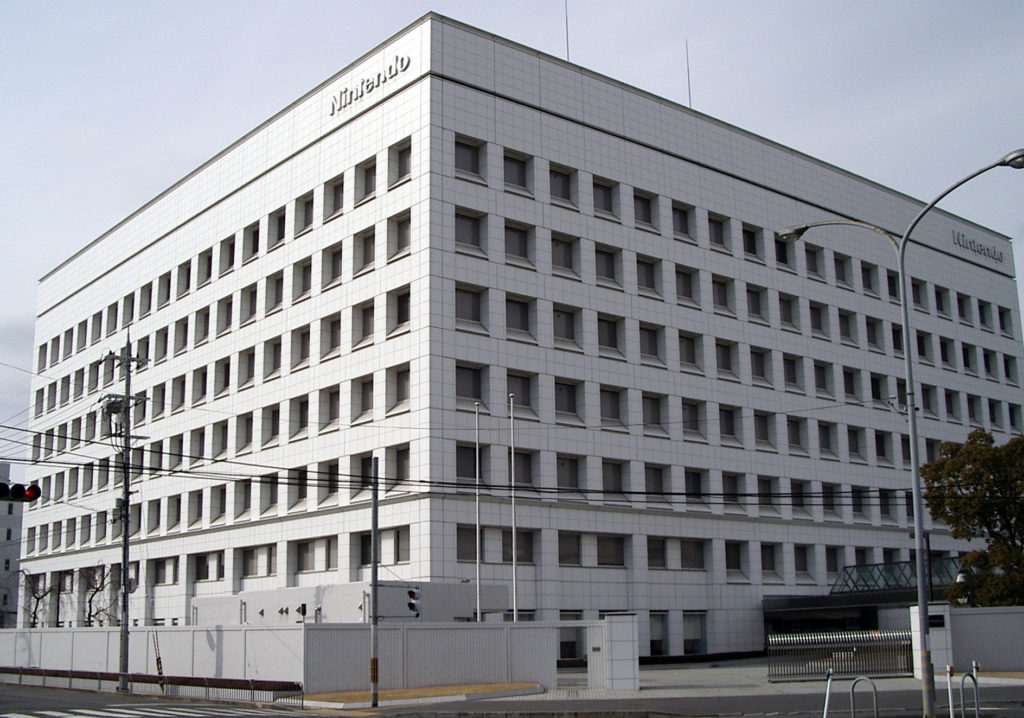
New guidelines governing ‘community’ esports tournaments in Nintendo‘s video game series Super Smash Bros. have come into effect, despite criticism of the changes.
Nintendo added restrictions on the maximum size and monetisation options for unlicensed events, which critics say further narrows the ability for smaller tournaments to run. The changes were first announced on October 24th and came into effect on November 15th.
‘Community tournaments’ are exempt from the usual requirement to obtain a licence from Nintendo which allows organisers to run tournaments in its games. Designed to enable easier running of grassroots events, the guidelines place limits on how large those tournaments can be.
But the new guidelines, which have been posted on Nintendo’s North America, UK and Japanese websites, further narrows the criteria for what counts as a community tournament. Community tournaments are now prohibited from having more than 200 participants (300 for online tournaments), with a cap of £18 ($20 in US) on entry fees. Moreover, prize pools cannot exceed £4500 ($5000), and cannot exceed £9000 ($10,000) in any 12-month period.
Tournaments are also not allowed to generate a profit — any surplus money must be returned to participants or spectators — and tournament organisers cannot receive any money or goods form sponsors for events. Even high school charity events must receive written permission from Nintendo to operate, according to a Q&A in Nintendo’s new guidelines webpage.
“Nintendo is the only game developer to consistently not just be disinterested and unsupportive about its own longtime dedicated competitive players, but will actively go out of their way to screw them over,” esports journalist and analyst Rod Breslau commented on X.
“I think its very fair to say that Nintendo just killed Smash esports,” Harris Peskin, an esports lawyer at ESG Law, also said in a post on X in response to the changes. “Absent permitted exceptions by Nintendo, these restrictions would have the effect of significantly damaging the Smash ecosystem. What remains to be seen is how liberal Nintendo will be in handing out the exceptions,” Peskin added in a follow-up post.
Most game publishers have criteria outlining the maximum size and revenue that small scale, grassroots events can reach before requiring a licence to operate. However, Nintendo’s criteria are seen as much more restrictive than other publishers.
Additionally, Esports News UK reported that licences are currently not available in Europe, with a ‘very limited’ amount available in Nintendo’s home country Japan.
The news comes after the Smash World Tour 2023 was controversially cancelled last year after Nintendo refused to grant a licence to the tournament’s organisers, a decision that was met with widespread backlash.
Nintendo has long been criticised for its combative approach to esports, which has seen it tightly control who and how esports events are run using its titles.