TL;DR
- The roles in Counter-Strike are Entry Fragger, AWPer, Support, IGL, Lurker, and Anchor.
- To flourish, players require a specific mindset and different skills.
- NiKo, Stewie2K, and Dupreeh are iconic Entry Fraggers.
- The greatest CS:GO AWPer is s1mple for his aggressive sniping.
- While specialising is key, players are now expected to be more flexible in the roles they can fulfil.
While modern FPS titles tend to have at least some hero shooter elements, Counter-Strike is a pure tactical experience. All tools are available to all players, and there are no abilities or classes to create asymmetrical dynamics between players. This makes it, arguably, one of the fairest FPS experiences, but that doesn’t mean players haven’t carved out roles for smoother team dynamics.
Counter-Strike roles are fluid and malleable. All players are expected to know common lineups, communicate information, and frag out, especially in public matchmaking, but those attempting to compete at a high level or organised play need the roles filled for a team to act as a coordinated unit. Mastering roles in Counter-Strike is key to breaking into the pro scene, as scouts fill roles on their rosters.
Counter-Strike roles explained
Entry Fragger
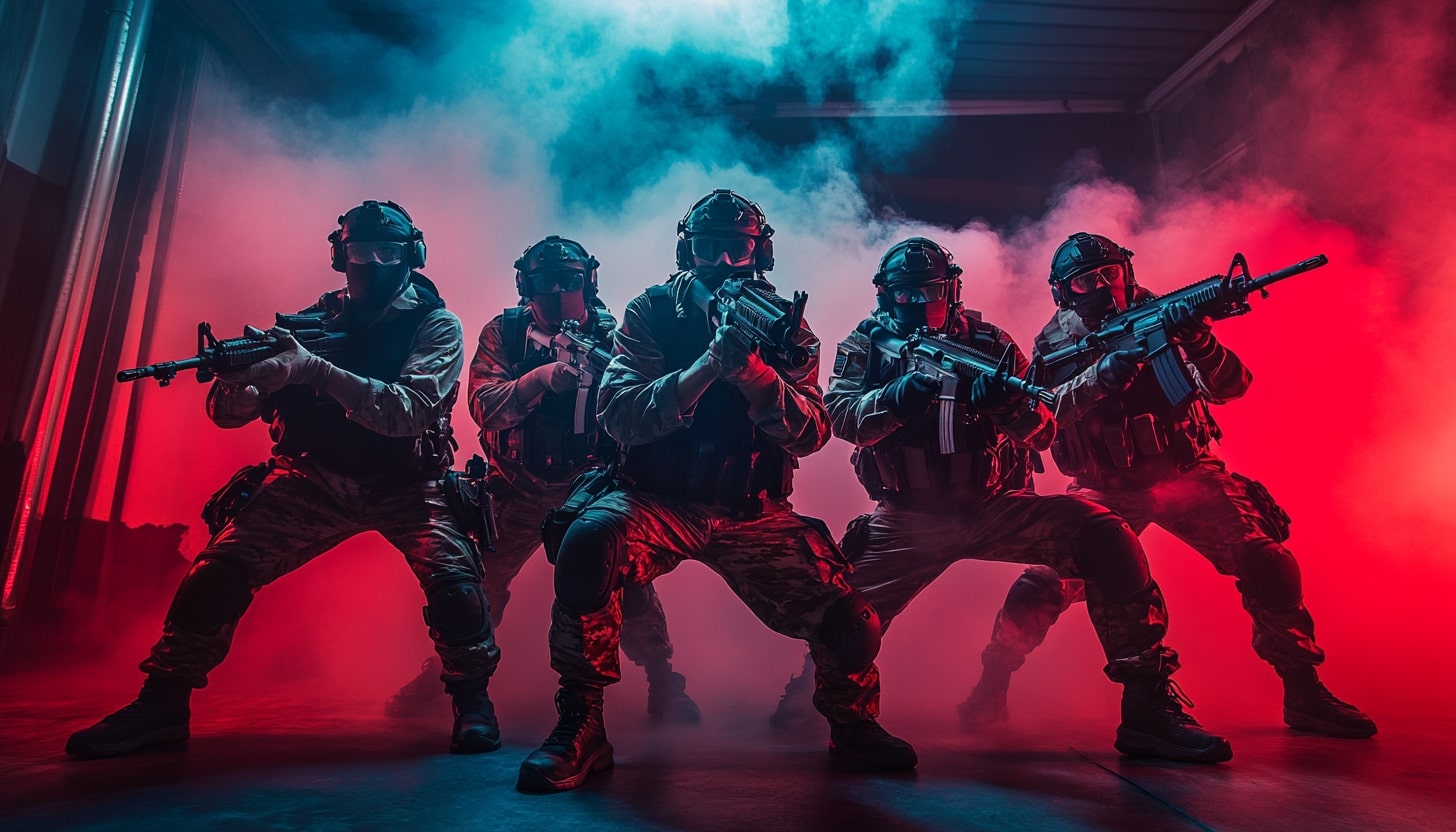
Entry Fraggers are the players who take the first duel to crack open a site. They’re the first to get their hands dirty, with their job being to get the opening pick by entering and clearing all angles. In an ideal world, they take down the site’s defenders and live post-plant, but should they go down, they need to communicate the CT’s position so their teammates can trade them out.
Peek timing, crosshair placement, and reaction speed are all vital to Entry Fraggers. The best are able to consistently win duels despite the chaos of flashbands, Molotovs, and smokes in the site. This role suits those who are confident in their aim and don’t mind being a bit of a sacrificial lamb, satisfied knowing their frags were impactful.
AWPer
AWPer are the designated sniper of the team, being given the game’s signature big green, on-tapping sniper. Accurate AWPers force the enemy to respect their threat, single-handedly holding down long sightlines, shutting down pushes, and punishing peeks. With their ability to lock down defensive positions and find surprising picks with aggressive angles, AWPers are all about map control.
This Counter-Strike 2 role suits the patient player who can maintain focus, even in quiet, dull moments, ready to use their strong aim to flick towards movement as it appears. AWPers tend to be the last player alive. With their level of control over the map, dying out of position is a gift to the enemy team.
Support
The Support role is all about setting up teammates for success with utility and trading. Supports need to know all the important grenade line-ups to block off angles with smokes, blind an entire site, and cut off hard-to-reach angles with Molotovs. They specifically support the Entry Fragger with utility and follow-up to trade.
This role is for those who value preparation with line-ups for each map. They play off their teammates with their trades, boosts, baits, and utility, gaining information for the AWPers. Supports are expected to have full utility every round, usually at the cost of higher-tier weapons, and typically don’t get to be the star of the match.
Lurker
The Lurker is all about mind games. It is a lone wolf role that tends to drift away from the team, using awkward angles to catch the enemies off guard. Lurkers are also scouts, providing information to their team, like how the CTs are reacting to utility. This role is vital to stalling retakes and making CTs question their rotations.
The best Lurkers need extremely strong game sense, map knowledge, and timing. They also have to be self-sufficient, able to execute plays with minimal support, being best suited for those who can outsmart foes, rather than beating them with superior aim.
Anchor
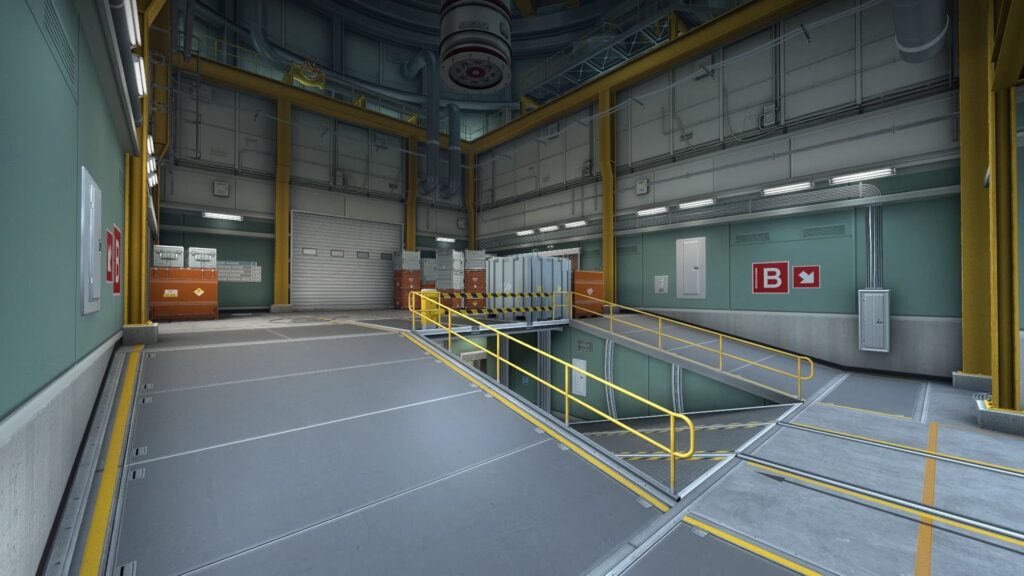
Out of all the Counter-Strike roles, the Anchor is the only CT-exclusive one, tasked with holding a bomb site for as long as possible. It’s all about patience, gaining information while ensuring the bomb site stays secure. If the enemy commits to their site, they have to be able to stall for as long as possible so more defenders can rotate while taking down as many foes as possible. If they can’t hold the site, they are the last to rotate to help retake it, meaning that the Anchor is often put in clutch situations.
IGL (In-Game Leader)
As the name implies, the IGL is the brains of the operation, dictating strats, making mid-round calls, and calling for adaptations on the fly. Of all the roles in Counter-Strike, it is one of the easiest to understand, yet the trickiest to execute. Keeping a team organised is a taxing job, but without an IGL, matches can devolve into chaos and will be easily lost.
In Counter-Strike 2 competitive matchmaking, IGLs need to have the confidence to call out a site to attack. For teams looking to go pro, an IGL needs to also prepare tactics before a match, while discussing them after a match. The IGL needs to know Counter-Strike like the back of their hand, and players spend countless hours, not only in-game, but watching demos and videos to deepen their knowledge. They put the tactics in the tactical shooter
Most iconic Counter-Strike players in each role
Those looking to master their chosen role in Counter-Strike should look to demos and VODs of iconic players throughout CS’s history to start. If you want to know who to look out for, we’ve got you covered, going over the pro players that have the stats, accolades, and influence to cement themselves as true masters in their Counter-Strike team roles.
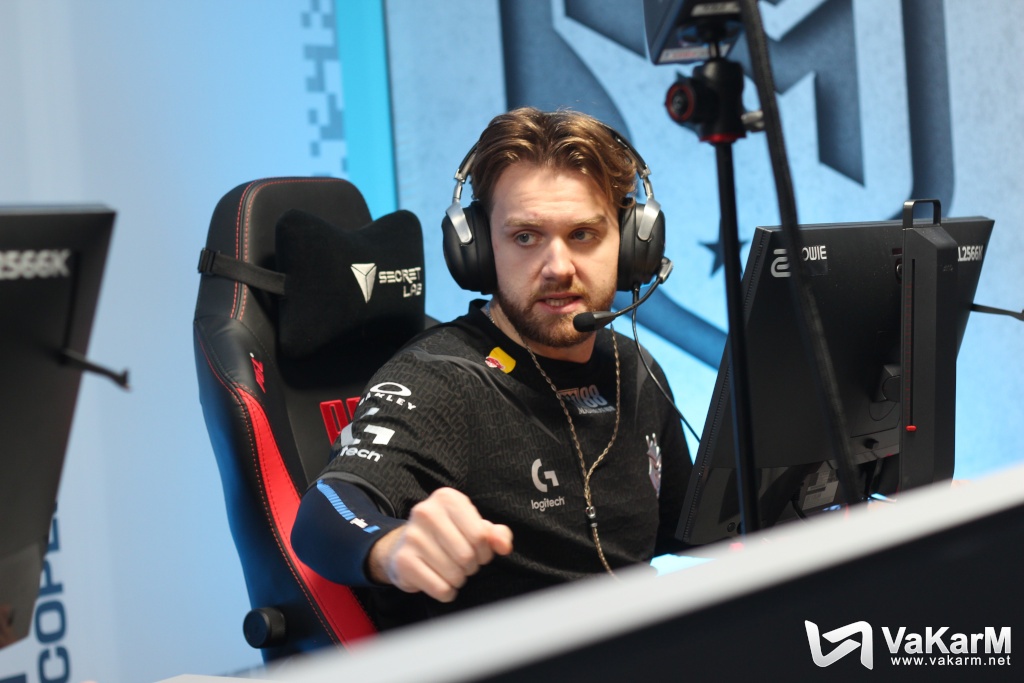
First up, NiKo is a feared rifler with the highest number of total kills and opening kills of all time. Stewie2K plays like a madman who infuriates pros by pushing through smokes. Donk is a generational talent who doesn’t have the best mechanics, but more than makes up for it in duelling and fragging. On the other hand, five-time Major winner Dupreeh is a methodical Entry Fragger who plays off his teammates perfectly.
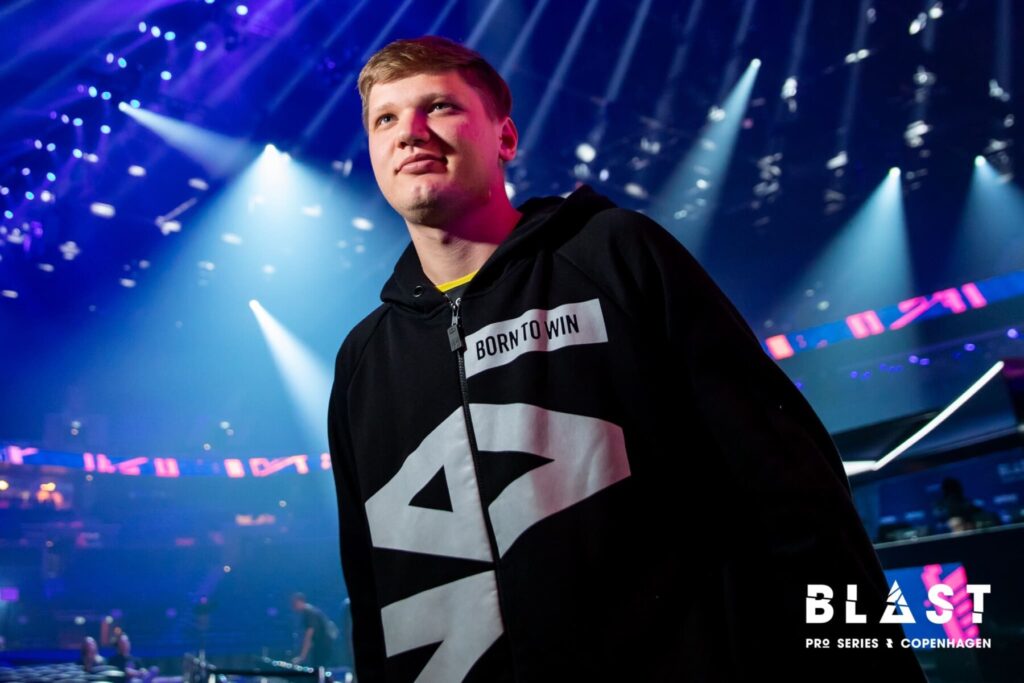
AWPers are usually the team’s stars, and it’s no wonder that you’ll see the best players in this role in Counter-Strike. The GOAT of CS:GO, s1mple, made countless flashy plays with the AWP, pioneering aggressive sniping alongside kennyS. Guardian and Dev1ce demonstrated that the most important skill you can have on AWP is to never miss. Modern star AWPers, ZywOo and m0NESY, prove that organisations can find massive success by building a roster around them.
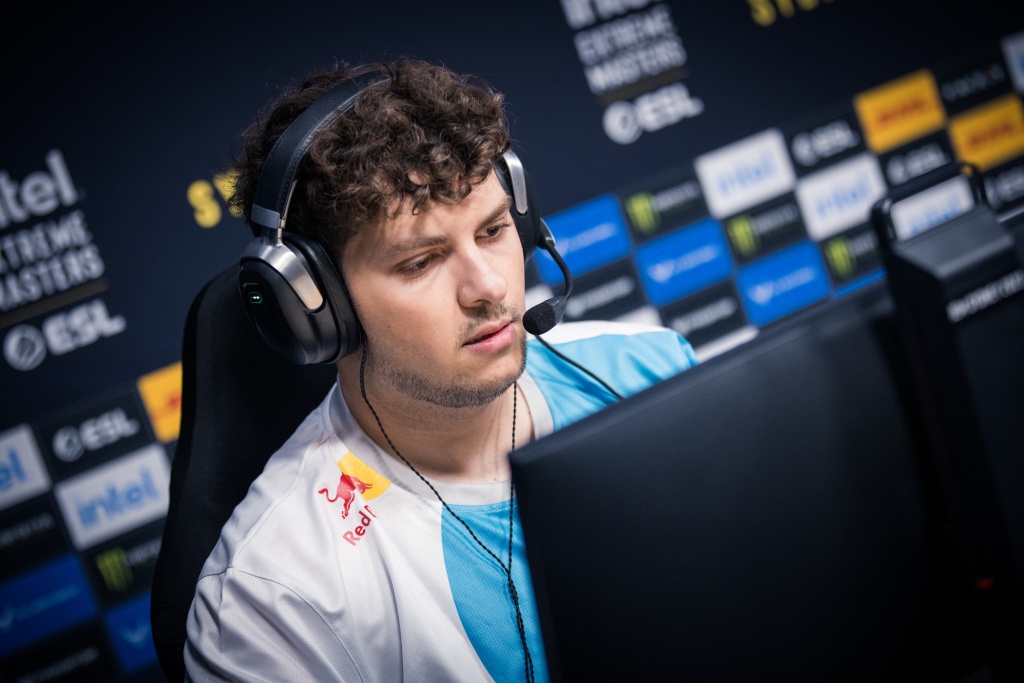
A good Support is often unseen by highlight reels, but their impact in-game is undeniable. Stats-wise, effective supports have a high AST (Assist, Survive, Traded), indicating they’ve done their job. The most iconic Supports are Perfecto and the “clutch minister” Xyp9x. These two players combined have enough demos to keep aspiring Supports full of great ideas. Other notable Supports are Olofmeister, Flusha, TACO, and Twistzz.
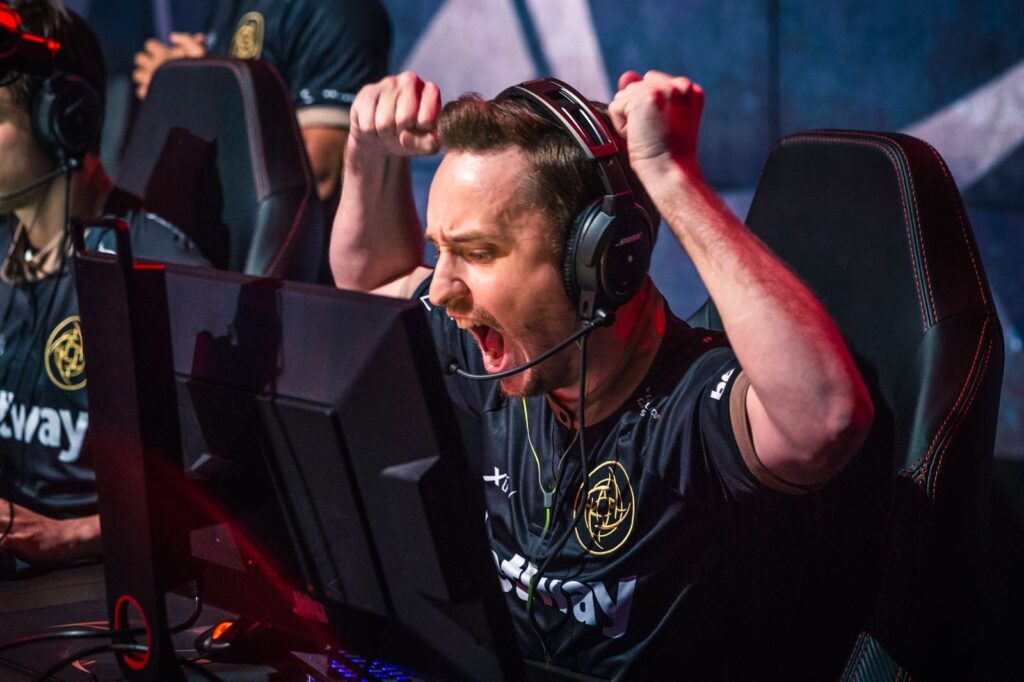
Lurks and Anchors are often the same player since they share many of the same qualities of patience. GeT_RiGhT is considered the pioneer and still one of the best lurkers since Counter-Strike 1.6. Coldzera in his prime would play off awkward angles and never lose a clutch. Ropz is a star player on certain maps with strong anchor spots like Nuke. BlameF and huNter- also deserve their name to be mentioned with the best lurkers. For Anchors, Jimpphat, jks, Sjuush, and Magisk were fortresses that held down a site with confidence.
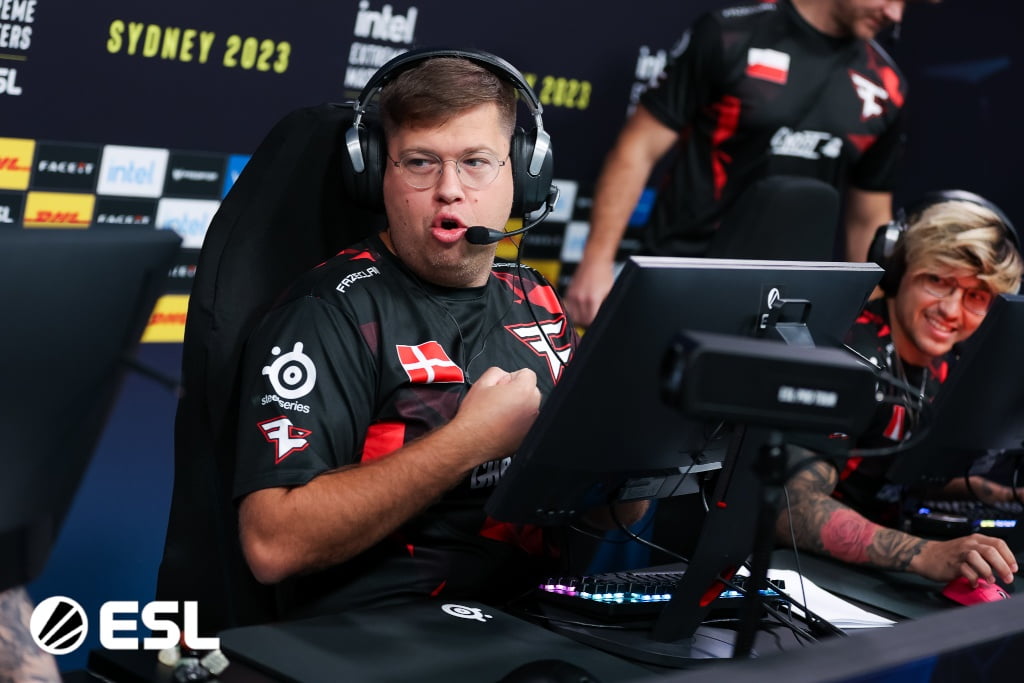
Finally, the IGL can slip into hybrid roles depending on team tactics. Players who want to be a good IGL need to analyse how the team moves and communicate with each other, rather than watching a single player’s perspective. Prime Astralis’ mastermind, gla1ve, coordinated their signature utility dumps to become the most dominant team in Counter-Strike history.
Karrigan significantly improves any team he’s in and has done so across multiple rosters. The chaotic, trash-talker apEX has led Vitality to the second-highest win streak in the game, keeping their cool to overcome many close calls. More IGLs like Aleksib, HooXi, FalleN, pronax, and Zeus developed tactics that are still used today.
Conclusion
Counter-Strike is a franchise that’s over two decades old, and while CS:GO was the entry point for many, the series has remained largely unchanged since Counter-Strike 1. Still, players and teams evolve, and roles are more malleable than ever, with players needing to stay adaptable during a match, making them more valuable than rigid specialists.
Despite the value of flexibility, aspiring Counter-Strike 2 pros need to start somewhere. Mastering these roles as they are, while watching what the pros do, so you can apply them to your games, is a great place to make that start.
FAQs
What are the roles in Counter-Strike?
The roles in Counter-Strike are Entry Fragger, AWPer, Support, IGL, Lurker, and Anchor.
What is the best role in Counter-Strike?
Mechanically gifted players will find that playing as the AWPer will single-handedly carry games.
Which Counter-Strike role is the most popular?
The most popular role in Counter-Strike is Entry Fragger, as it’s exciting and action-packed.