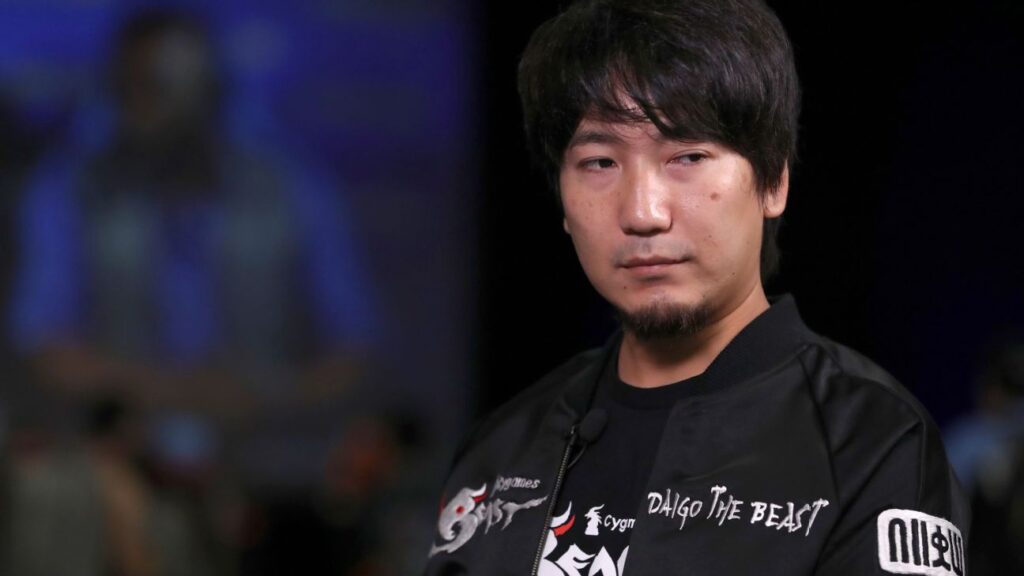
Veteran Street Fighter pro Daigo Umehara recently discussed why it’s been so much harder for him to compete in Street Fighter 6 than Street Fighter 4.
After missing Top 8 at Red Bull Kumite 2025, Daigo proclaimed that he planned to quit streaming to focus on the competitive side of Street Fighter 6 full time. However, the determined pro decided to make some content explaining the difficulties of the new game’s esports scene.
Daigo Explains Why Street Fighter 6 Is Hard to Compete In
Daigo recently posted a YouTube video titled ‘Daigo talks gameplay differences between SFIV and SF6’. In the video, the veteran pro goes over the changes in Street Fighter 6 that have made it harder for him to reach his full potential.
Daigo explained that Street Fighter 6 has ‘become more complicated,’ requiring more than just executing moves and combos. The new game goes beyond that, also demanding players to read opponents and their reactions.
“In SF6, it’s very important to know what your opponent can and cannot react to […] If this was SF4, you never had to do anything like that,” Daigo told viewers. “SF4 was all about how well you execute strong moves and options. In SF6, what’s ‘strong’ changes depending on your opponent. That makes the game difficult.”
This is likely due to the introduction of newer game elements, like the Drive System, which opponents need to keep in mind so they’re prepared for possible incoming Drive Rushes. The new game’s focus on understanding the enemy adds a new layer to gameplay, with some attacks, counters, or combos only working at certain times due to the opponent’s behavior.
“In SF4, all you had to do was execute strong options. It was all about how you well you executed strong moves and options,” Daigo explained. “In Street Fighter 6, what’s ‘strong’ changes depending on your opponent. That makes the game difficult.”
Now, the chances of winning change daily depending on the opponent. Before, the top players could consistently bust out the best attacks, making it clear who the best were and how tournaments would likely go. It’s an entirely new way to think about playing.
Mastering these mental games will be a big component of Daigo’s plan to rise up the ranks. With Combo Breaker, the Asian Champions League, Esports World Cup and Evo all fast-approaching, Daigo will need to continue his grind to stand a chance against younger pros dominating the scene.