This past week, the International Olympic Committee hosted the Publisher and Developer Forum to discuss plans for the first Olympic Esports Games. The event brought together leaders from the gaming industry and the Olympic world to shape the new global competition under the Olympics umbrella.
The first Olympic Esports Games will launch in 2027 and will be tied to the Esports World Cup, thus held in Saudi Arabia for the first three editions. But for the gaming community, certain choices do not align with values like inclusion and diversity, which the IOC has put at the core of the discussion of the Publisher and Developer Forum.
The IOC had announced the Olympic Esports Games in 2023 as part of its effort to connect with younger audiences and integrate more digital competition into its programs. However, its partnership with with the Esports World Cup Foundation, backed by Saudi Arabia, had many in the industry arguing that hosting the event in a country with restrictive social and legal policies could undermine esports’ inclusivity goals.
These concerns came from players, fans and advocacy groups across multiple game titles, as they pointed to Saudi laws that restrict women’s rights, criminalise LGBTQ+ identities and limit freedom of expression. Many questioned whether the Olympics, by aligning with these conditions, could maintain its stated commitments to inclusion and equality, values also highlighted during the Publisher and Developer Forum.
What Was Said at the Olympics’ Publisher and Developer Forum 2025?
The Forum brought together over a 100 representatives from international sports bodies, game publishers, developers and national Olympic committees.
Its goal was to foster deeper collaboration between the Olympic world and digital gaming, according to the Olympics’ website news, and to help design a framework for the upcoming Olympic Esports Games. Discussions covered topics such as community growth, technological integration and competition formats.
IOC President, Thomas Bach, described the initiative as ‘something with the power to inspire a new generation’ by combining sport and gaming.
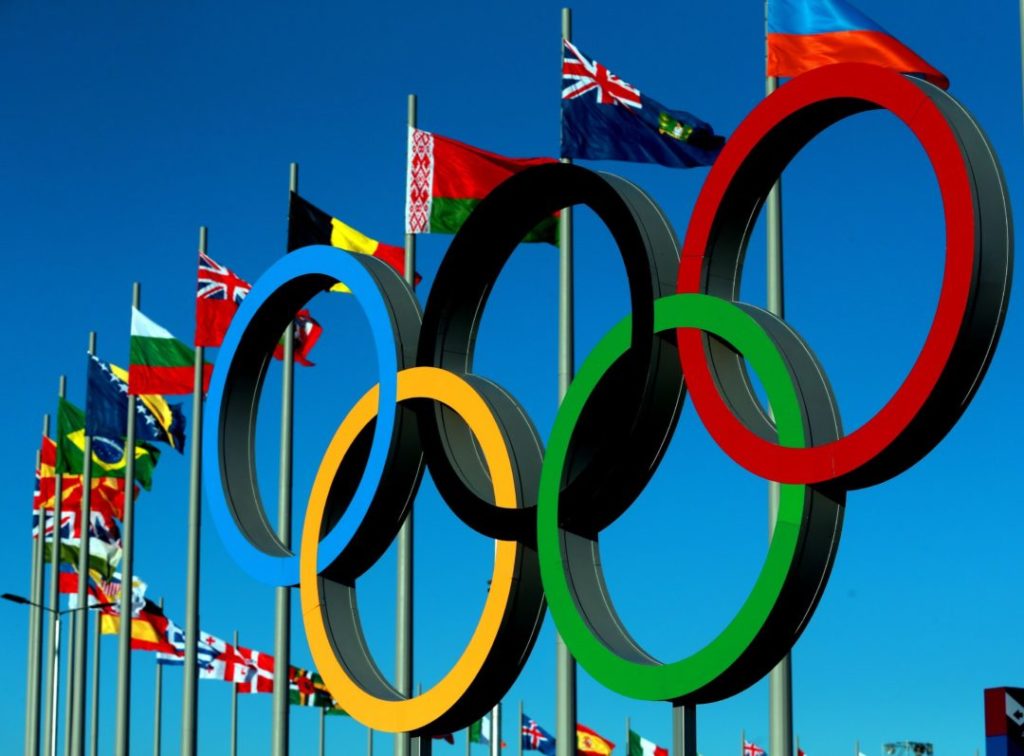
One session focused on diversity within esports. Pointing to ‘a huge variety of game genres and titles,’ participants discussed how platforms and communities shape competitive spaces—yet seemingly failed to face the more pressing diversity issues in the industry.
However, another session addressed inclusion and gender equality, as IOC President-elect Kirsty Coventry referenced the gender balance achieved in the Paris 2024 Olympics. But the session recap shared on the Olympics website seems to lack any mentions of the currently ongoing limitations faced by women in Saudi Arabia, where access to sports and public life remains unequal and where structural barriers could prevent equal participation in the Olympic Esports Games.
Technology also played a key role in discussions. Forum participants explored how tools like virtual reality, AI and data analytics could change training, fan engagement and athlete safety. Other sessions emphasised the importance of collaboration between game publishers and traditional sports organizations, a push from the IOC which could lead more local and international bodies to recognize esports as a growing sport industry.
After the presentations and panels, IOC President-elect Kirsty Coventry invited experts to share their insights on the overlapping challenges faced by athletes and esports players, including mental health and digital harassment.
“There will be bumps in the road ahead, which we will need to navigate together, but at the end of the day what is most important is the athletes and players,” continued Coventry.
Undoubtedly this forum marked an important milestone in the Olympic Movement’s plan to enter the esports space. But as planning continues, the Olympic Esports Games’ success will depend not only on partnerships and technology, but also on whether the IOC and its collaborators can address the concerns raised by the communities they hope to engage.