In a recent Director’s Take, Aaron Keller, Art Director Dion Rogers and Associate Game Director Alec Dawson discussed Overwatch 2‘s struggles and also what’s ahead.
Overwatch 2 has been out for three years now and the anniversary has come with plenty of ups and downs. Developers took some time to look back at some of the reasons that Overwatch 2 struggled compared to the original.
Overwatch 2 Devs Look Back at Game’s Biggest Hurdles
According to Keller, the original Overwatch ‘felt like magic’ since it had come together so well for all the involved teams. However, he noticed that the magic had ‘evaporated’ while working on Overwatch 2.
“If you’re familiar with the history of the sequel’s production, you’ll also remember that the vision for what it was supposed to be changed over time. That sense of working together in lockstep with the team retreated and it was up to us to realign and redefine what this game was supposed to be,” Keller recalled.
The original focus of Overwatch 2 was to build up the deep lore and vibrant world that made the first hero shooter so special. When the single-player focus failed (and players started to turn on the game over what they felt were broken promises), the team turned to the competitive PvP experience.
“As time went on and we found ourselves improving on many fronts,” Dawson said about joining the team in 2022. “It gave us the ability to back up a bit and think more structurally around how we plan an Overwatch year. How could we plan for more impactful seasons and surprise players? We needed something more.”
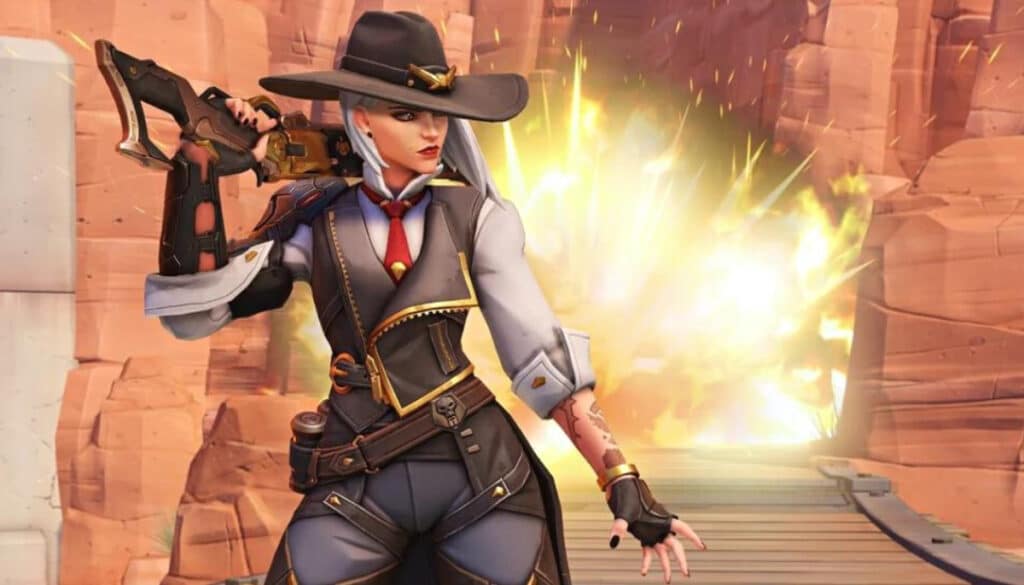
Dawson’s idea was Perks. He pitched the concept after Season 9 and the development team found it quite difficult to implement. However, giving players a way to alter their heroes to match their own playstyle seemed like a worthwhile challenge.
“Over time, those risks began to pay off,” Keller said. “Our community noticed the changes and improvements we were making, so we gradually started making those bigger and bolder. Adding Perks in Season 15 and Stadium in Season 16 truly set us on an exciting path.”
At this point, the team felt like Oveerwatch 2 was ‘so back.’ The magic had returned.
Overwatch 2 Lessons and Future Plans
Over time, the team discovered that they had to ‘surprise and delight’ players instead of being reactive.
Said Dawson: “But my takeaway from that experience is that we held certain things too close. We are now more willing to take risks and more willing to give ourselves tougher challenges.
“Our team is working on a number of those challenges right now. I think we’ve learned so much about working well together and what we’re capable of as a team that those lingering feelings aren’t as scary as they once were.”
More challenges, you say? Indeed, Rogers shared some details about what players can expect from Overwatch 2 now that the team has found its footing. This includes a new ‘unanounced hero,’ of course, as well as ‘bold new directions’ in regards to the game’s visuals and themes.
“We’re exploring untapped corners of the Overwatch universe and experimenting with styles and storytelling that will surprise even our most dedicated fans,” Rogers said.
This sentiment definitely intrigued the Overwatch 2 community, although it was quite vague. Others, however, shared frustration with the developers’ attempt to gloss over the failure of the original PvE concepts.
Impact on Overwatch 2 Esports
With the Overwatch 2 developer team focusing on PvP, it’s safe to say that there will continue to be plenty of updates that impact the esports scene.
Perks were added to the Overwatch Champions Series back in February 2025, adding a layer of depth to team compositions and strategy.
Whatever game modes and gameplay changes developers focus on next, it will eventually make its way into the esports scene. And it’s possible that the viewership could grow if these are changes that Overwatch 2 players like.