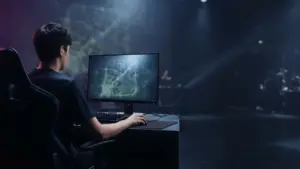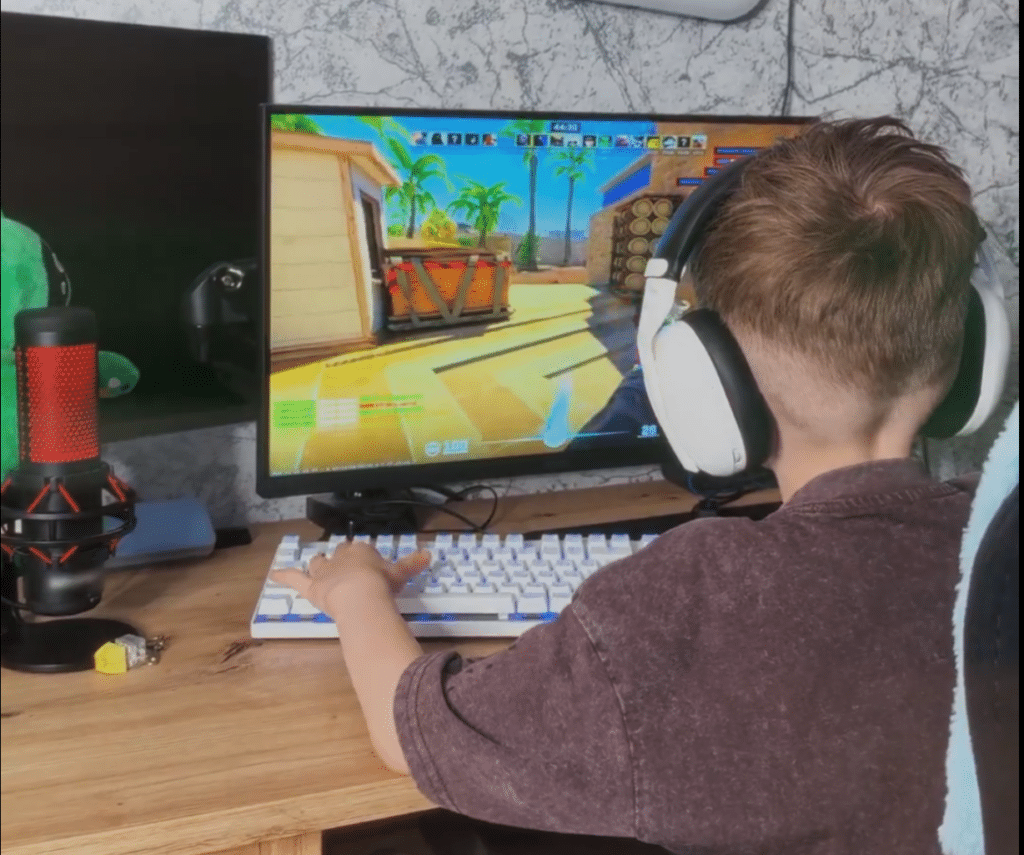
Esports organization Inner Circle made headlines after signing a seven-year-old Counter-Strike 2 player, making him one of the youngest signings in this industry’s history. The kid was sitting at FACEIT Level 6, which is honestly pretty impressive for someone his age.
However, the announcement quickly backfired and became a self-report, as FACEIT took notice and banned him from the platform until 2032 – when he’ll finally meet the minimum age requirement of 13.
The ban itself isn’t really the issue, though. There was a much bigger conversation about childhood, parenting, and whether this was really a good move.
The Internet Wants This Kid to Touch Grass
For centuries, people have had a pretty fixed idea of what childhood is supposed to look like, and that’s fair enough. People believe kids are supposed to go outside, ride their little bikes, kick balls around, and even scrape their knees. That’s what kids are expected to be doing.
So, when an esports organization announces they’ve signed a literal seven-year-old, it clashes with that image in a pretty unsettling way.
The backlash came quickly, as people were quick to express their discomfort. Many were saying things like “let kids be kids” and quickly started questioning why a child that age is even being pulled into a professional environment at all.
It just doesn’t sit right with lots of people that a seven-year-old’s name is attached to an esports contract. The kid probably doesn’t even know what’s going on.
But, as more people started talking, the frustration shifted away from the kid. More people were upset at the adults around him. Because, last time I checked, seven-year-olds don’t sign contracts – their parents do.
Are the Parents Attempting Project Donk?
Things get a little uncomfortable here, as the question people are really asking is whether the parents genuinely support the kid’s interests, or whether they’re beginning to view their child as a future investment before he’s old enough to understand what’s happening.
And if you think about it, a kid of this age doesn’t just go on Steam, download CS2, and grind to FACEIT Level 6 on his own. Whether it’s intentional or not, an adult would have definitely played a huge role in getting him to this point. Someone sat him down, taught him the game, played matches with him, and invested time into developing his skill.
When you saw players like donk and m0NESY frying everyone in their teenage years and making all that money, it’s easy to see where the concern comes from. It’s normal to worry that success stories like these can make a parent start looking at their talented kid as an opportunity. Get them signed early, build the brand, and who knows – you might have the next donk right in the palm of your hands.
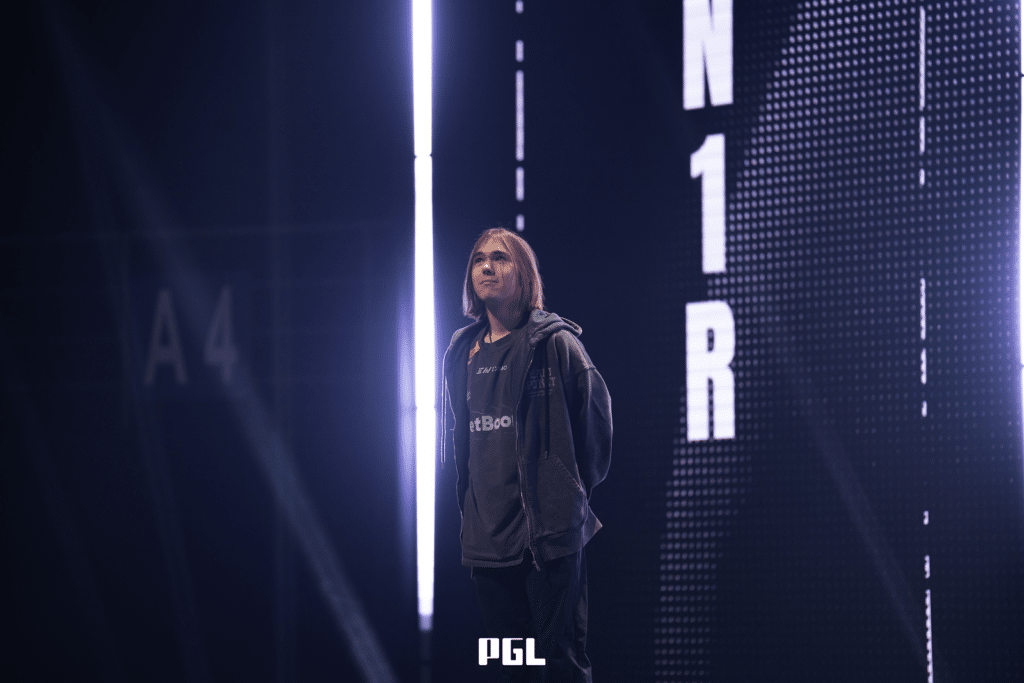
Children also need development – they need social interaction, physical activity, and free time to – I don’t know – just be kids. But now, that contract comes with expectations, obligations, and most importantly, public exposure. These are absolutely things no child has to carry.
The Esports Prodigy Paradox
Many are bashing on this kid, but this is where it can get a little complicated. People love young stars like donk, m0NESY, and kyousuke. These guys burst onto the scene as teenagers and immediately became the best players in the world. We all love them, we all talk about them, and they generate highlight after highlight to keep the scene entertaining.
But to be a world-class player at 17, you certainly had to start playing seriously much earlier. These guys didn’t just wake up one day and decide they’re going to be the best in the world. They spent years grinding the game during their childhoods and probably spent large portions of their free time staring at a screen when they could have been doing other things.
I mean, I hate to be that guy, but donk started playing Counter-Strike when he was only four. He even said it himself. And now, people worship him as the game’s next GOAT.
The kid in question is already FACEIT Level 6 at seven years old, which is honestly a pretty insane feat. It’s pretty uncomfortable, but the truth is that the prodigies we praise today were once children doing exactly what this kid is doing now.
Still, I’m not saying every talented youngster should be pushed into a professional setting, but the contradiction is pretty hard to ignore.
You can’t just simultaneously admire the finished product while being disgusted by the process.
The Fine Line Between Encouragement and Exploitation
Honestly speaking, this debate isn’t really about Counter-Strike or touching grass at all – it’s mainly about parenting and where the line between supporting your child’s interests and exploiting them for personal gain is actually drawn.
There’s a huge difference between a parent who notices their kid loves Counter-Strike and lets them develop things naturally, and a parent who sees talent and immediately maps out an entire career around it before the child can even articulate what they want to do in their future.
We, as outsiders, don’t really know whether this kid actually loves CS2 and asked his parents to pursue this, or whether he’s simply doing what he’s been told. And I mean, he’s seven – he probably still has no real idea what he wants to do in life.
But to be fair, it’s definitely possible that he just really loves Counter-Strike. Plenty of kids become obsessed with hobbies at this age. Some of them are addicted to football, chess, playing the piano, or even Roblox. This kid’s “Roblox” might just be CS2.
Who knows – maybe he’s the one begging his parents to play one more FACEIT game before bed. Maybe he genuinely enjoys watching pro matches and dreams of becoming the next donk. If this is what the kid truly wants, there’s absolutely nothing wrong with supporting this passion of his.
So, Who’s Actually at Fault Here?
Let’s be clear: we’re not saying this kid can’t love Counter-Strike. Maybe he genuinely likes the game and enjoys playing it – that’s completely fine. Sure, Counter-Strike isn’t exactly the first game most people would want a seven-year-old playing, but enjoying a game is harmless, and his talent is undeniably real.
But there’s a massive difference between a kid who loves playing games and a kid who is now under a professional contract. One looks like his version of a “childhood,” while the other is a business arrangement involving a literal kid. He has no concept of what he’s agreeing to, what obligations come with it, or what kind of pressure is being built around him.
The parents and Inner Circle both have a lot to answer for. At the very least, the adults involved made the decision to place a seven-year-old in a professional organization before he could understand what any of that meant. This brings to mind young child stars who end up corrupted by Hollywood, although there are plenty of teenagers dominating in CS2, Mobile Legends: Bang Bang, Smash, and beyond.
And, it’s pretty hard to see what Inner Circle actually gains from this move beyond publicity. You don’t sign a seven-year-old as a talent development system – esports might not even be a legit career by the time he’s old enough to compete. On the surface, this looks more like a marketing move than a long-term development project.
The kid and his talent aren’t really the issue. What people are upset about is the moment adults start wrapping contracts and brand deals around a child. This is the point where it stops looking like a kid having fun and starts looking like a project.
This, in my eyes, is where the line gets crossed.