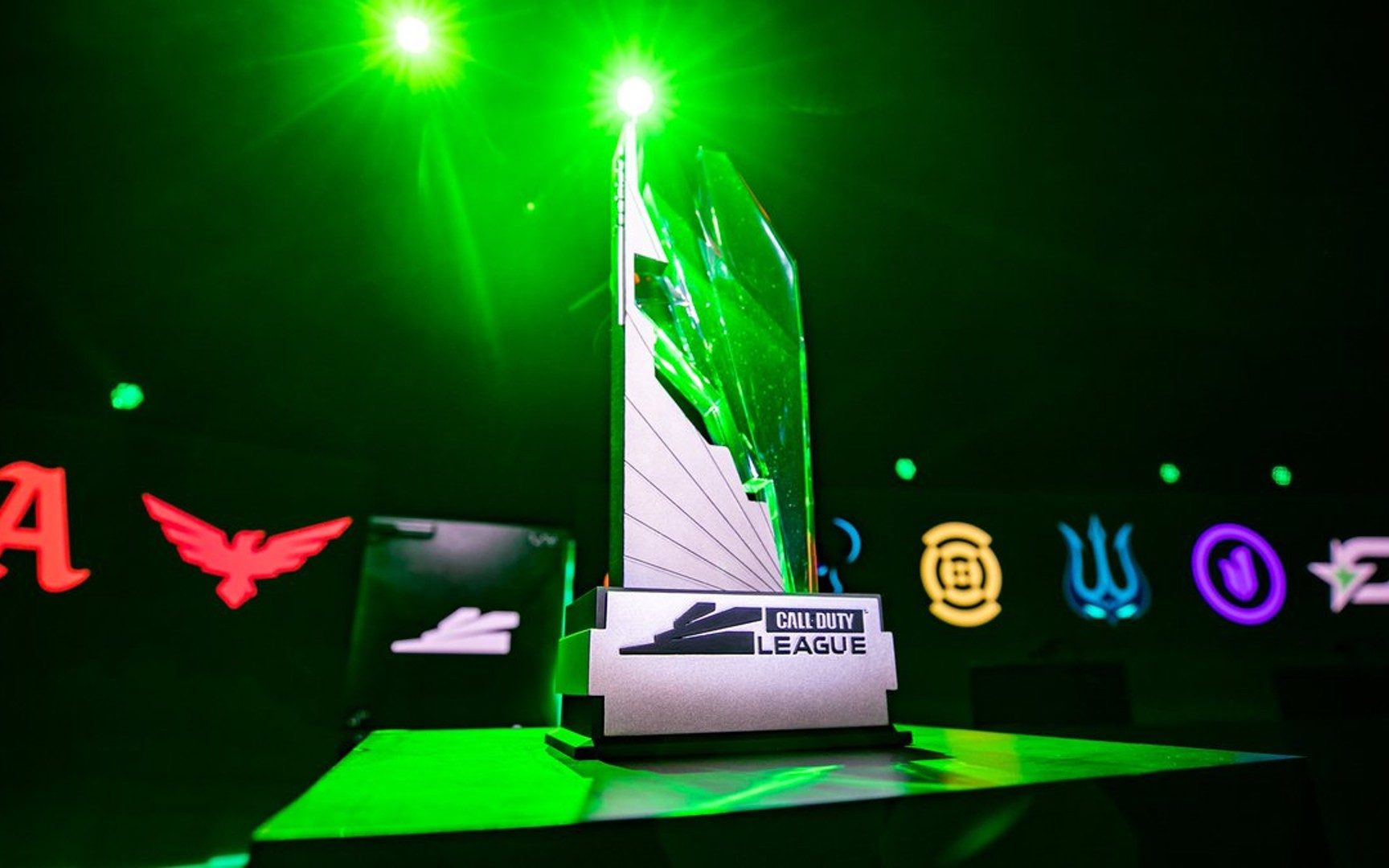
The Call of Duty League has announced major structural changes that will affect team revenues, their outstanding entry fees, and hosting events.
The biggest update sees the Call of Duty League eliminate all outstanding entry fees that franchises owe. Moreover, any fees that were previously collected from teams will be returned in full.
In a blog post from Call of Duty Esports’ General Manager, Daniel Tsay, it was highlighted that entry fee payments had been paused ‘years ago’, however, this obligation is now officially removed. OverActive Media, the owners of Call of Duty League Franchise Toronto Ultra, revealed that its remaining entry fee amounted to $25.5m (~£20.4m), with the company also set to receive a one-time payment of $2m (~£1.6m). Toronto Ultra joined the Call of Duty League on its launch in 2020.
Following a similar model to other esports ecosystems, the Call of Duty League also revealed that teams will earn increased revenues from in-game sales such as Team bundles and the Champs bundle. Call of Duty franchises will also receive a two-year minimum guarantee of revenue. The exact figures for these revenue streams have not been disclosed.
Earlier this year League of Legends announced a similar change to its esports ecosystem, with its franchise revenue model shifting more towards sharing in-game microtransactions.
The last major update to Call of Duty League’s structure is its emphasis on supporting events. Franchises organising large-scale events such as the league’s Majors, Opens or even Champs will gain an increased event subsidy amount. This in theory should support teams that are hosting the competition’s stages.
Speaking about the changes, Adam Adamou, CEO of OverActive Media, commented: “This model recognises the key role that organisations like Toronto Ultra and our fans and partners have played in the expansion and growth of Call of Duty esports, and maximises our opportunities while retaining the critical elements that have made the Call of Duty League such an incredible product.”
Call of Duty League’s developments come at a very interesting time for Activision Blizzard, the company behind the game franchise. Alongside being acquired by tech giant Microsoft late last year, Activision Blizzard also announced major changes to its Overwatch esports ecosystem, moving the scene away from its franchised Overwatch League model to an open esports structure alongside ESL FACEIT Group.