Ever since the conclusion of Masters London at the end of June, seemingly no topic has been more prominent in the VALORANT esports scene than the unexpected kicking of Head Coach Hector “FrosT” Rosario from Global Esports.
What started as a leak on June 24th sparked a wave of rumors, speculation, and finger-pointing among fans as well as esports professionals.
While more information has been unveiled since, one comment made by VALORANT coach Maark has continued to stand out to me: “This is the type of information that shouldn’t really be aired out to the public. If GE doesn’t make Playoffs next split, this will follow their entire esports career.”
Should leakers have revealed to the public what allegedly happened behind the scenes at Global Esports? Who benefits or potentially suffers from this kind of esports drama? After digging through posts, comments, and podcasts, I believe we can draw multiple lessons from the many layers of this story.
Countless sources, but what’s the truth?
Within just a few years, esports has seen a drastic shift in how industry news is consumed. Mainly, instead of seeking out “traditional” media outlets, esports fans prefer to stay up to date on their favorite titles or teams via social media feeds or video content.
This has turned esports media coverage into a race between prominent social media accounts, accelerating the success of leak accounts. Whoever shares the news first will reap the most audience engagement. Where speed is not a strength, content exclusivity plays a more important role. For instance, esports podcasts or legacy media might attempt to differentiate their news coverage from quicker sources by featuring exclusive insights or interviews.
Consequently, esports news coverage has become abundant, albeit often buried in one’s social media feed and fragmented across countless accounts, content creators, and videos. The case of FrosT and Global Esports is a prime example of this excessive abundance of information and how it can, in reality, overcomplicate news coverage and make key details less accessible.
To give you a rundown of the major puzzle pieces involved in this incident, the first wave of assumptions stemmed from the initial leak that FrosT was kicked from Global Esports. The “breaking rumor” was then immediately discussed on one of VALORANT’s biggest talk shows, Plat Chat, with members speculating that the recently leaked acquisition of Global Esports by Revenant XSpark might have played a role in FrosT’s departure.
In the following days, the initial leaker, ari, shared additional details, claiming that Global Esports player Patrick “PatMen” Mendoza and the team’s analyst, Daniel “Platoon” Zhou, wanted Frost gone.
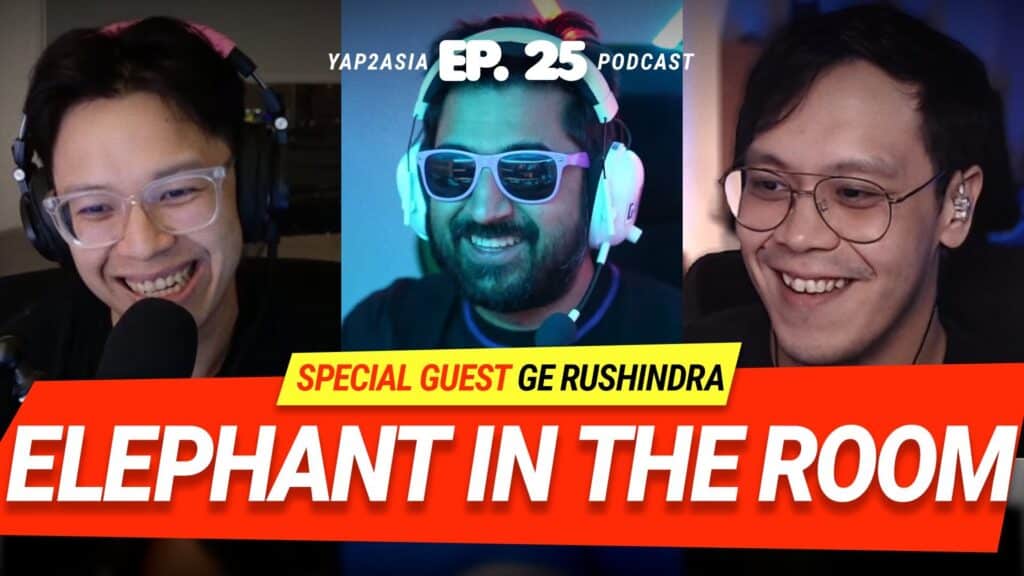
Meanwhile, media outlet VALO2ASIA released a podcast episode on June 28th with exclusive insights from Global Esports Co-Founder and CEO Rushindra Sinha. In this interview, Rushindra took the primary responsibility for the decision to kick FrosT.
“I would rather have made no changes to the team and let things be as is until the end of the season,” emphasized the CEO. “But we felt that this was the best way forward so that we get the result that we want and only time will tell.”
In the next Plat Chat episode on June 29th, the topic was explored again. This time, VALORANT co-streamer and former Team Liquid coach Connor “Sliggy” Blomfield seemed to know more about what happened behind the scenes.
“I can’t leak too much but I do think it’s interesting when teams and players go into a game and coaches want different vetos to the players and stuff like that,” shared Sliggy on Plat Chat. “I don’t know what I can leak, but I’m just saying that I think that the players need to maybe view it from an outside perspective more that coaches can.”
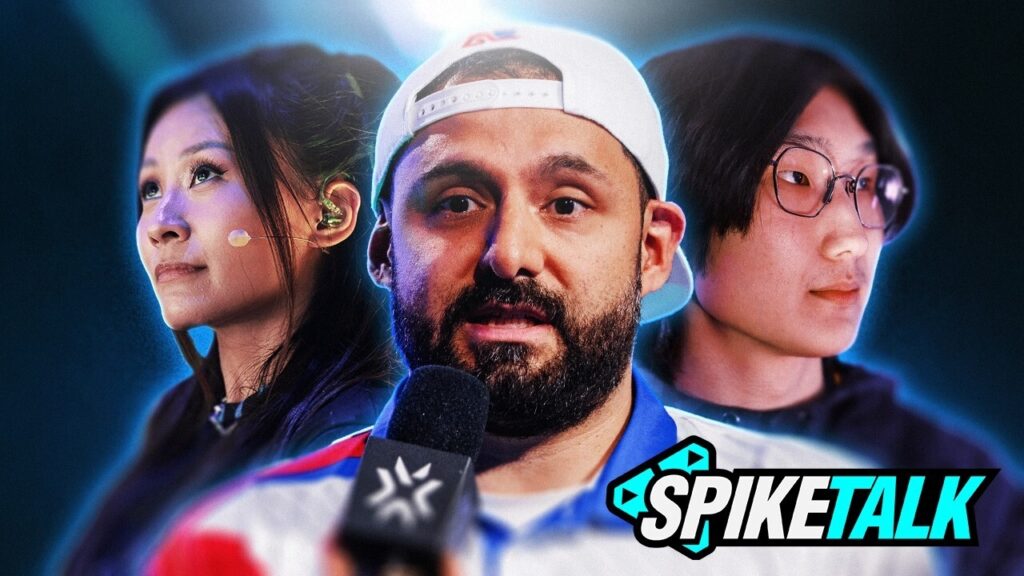
Given this information, along with a retweet by FrosT himself, the VALORANT community seems to agree that ari’s leaks are true. However, on July 4th, FrosT appeared on SpikeTalk, the podcast he usually hosts with pro player Andrej “babybay” Francisty, to confirm that his departure from Global Esports is primarily linked to PatMen and one other individual.
He explained why he wouldn’t leak the second person’s identity: “Now it’s already bad enough for the one. Making it bad enough for the two is probably not the – you know. I mean it is what it is.”
On the same day, another podcast episode with FrosT was released, this time on the channel of VALORANT creator JJaz. Other insights or opinions came from The Vodfathers podcast, analyst Thinking Man’s VALORANT and former Global Esports coach Donnie “Elevated” Chell.
So, VALORANT esports fans would need to watch several hours of just video material to gain a comprehensive understanding of this one case. And all that, despite the truth likely lying somewhere between all the available sources, as with so many behind-the-scenes dramas.
Global Esports was left with an impossible decision amidst the drama
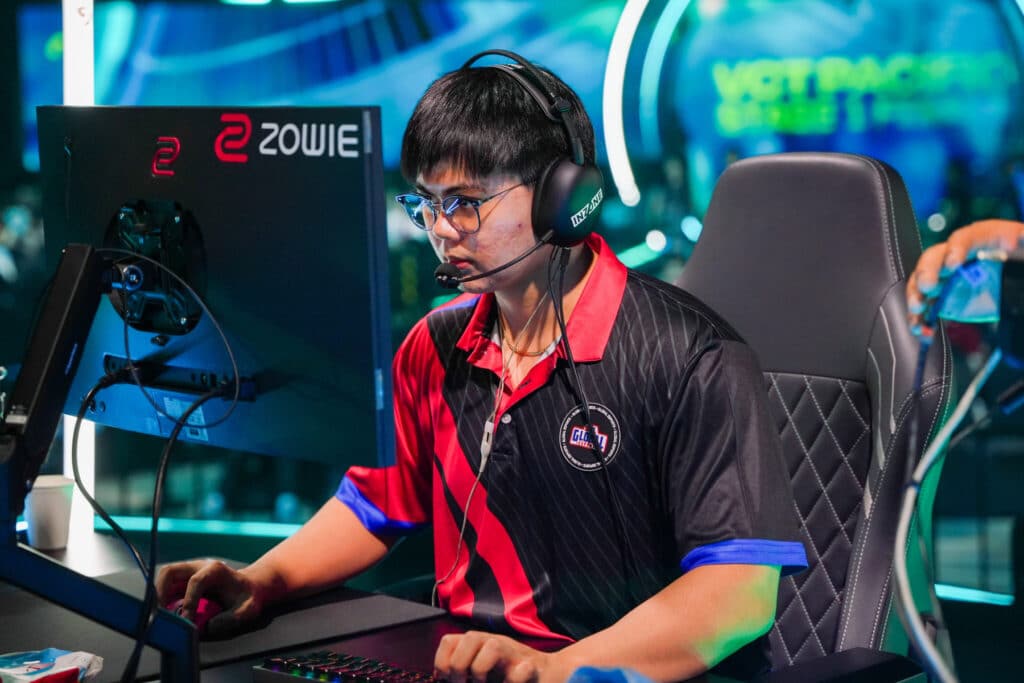
Although drama is undoubtedly entertaining, especially when it comes to filling the gaps in the VCT 2026 calendar, it can also reveal sensitive or potentially damaging information about all participating parties. A case such as FrosT’s contract termination is particularly tricky because everyone involved only has to lose.
As one X (formerly Twitter) user put it: “GE as an org shouldn’t be blamed for this, to be honest. What would’ve been the best course of action according to you? Either keep Patmen (probably the best and the most consistent player in the team) or keep Frost (the coach who did wonders).”
Global Esports management was seemingly forced to make an impossible decision. On the other hand, could the organization have done better internally to de-escalate the brewing tension between players and coaches? Or should management always have its coaches’ backs like some have argued on social media?
PatMen has yet to comment publicly on the situation. We cannot know with certainty whether he approached Global Esports with an ultimatum. If he did, though, this would have been an unwise move from a competitive standpoint. Regardless of personal grievances, a mid-season coaching staff change is likely to negatively impact the team’s performance during Stage 2 and its chances of qualifying for VALORANT Champions.
Even FrosT, who’s heavily associated with Global Esports’ recent competitive milestones, has received some degree of critical attention in the aftermath of this drama. On his own podcast, the coach declared that he was “without a question unequivocally the most difficult person in VALORANT to deal with.”
On his polarizing communication style, FrosT elaborated: “We’re in competition. It’s not like we’re in an office setting.[…] As an argument, the cultural norms make more sense to me if you’re talking about non-competitive stuff. But the moment you talk about sport, which I believe this is – dude. It’s too tense and too fast to always be polite. Really! […] It will take me an hour to p****talk around something that I can just tell you in five minutes.”
This coaching approach might be embraced by his new organization, FULL SENSE, but it could also harm his future career prospects. That being said, I don’t believe drama will inevitably damage stakeholder reputations. For instance, former Sentinels coach Adam “kaplan” Kaplan was commended for his professional public statement after being kicked from the organization.
Who’s in control of the narrative?
“I was given advice that I should control the narrative, and I didn’t listen, so my bad,” said FrosT on the latest SpikeTalk episode.
To be honest, I previously believed that it was unprofessional for esports stakeholders to be outspoken about certain behind-the-scenes details on public platforms. Team management, in particular, should remain somewhat subtle with their public announcements so as not to become a target in the eyes of fans and to protect the reputation of former and current staff.
The Sentinels case I mentioned earlier is a prime example of how “oversharing” can backfire. Following the controversial decision to kick Kaplan, Sentinels CEO Rob Moore made several attempts to justify his choice and answer fan questions.
As a result, though, his reasoning was mostly perceived as scapegoating or letting players run his organization.
However, with the ongoing rise of leak culture, I cannot fault esports organizations for striving to reclaim control of their narratives beyond the usual announcements. As some have pointed out, nowadays it feels like the damage is done once leaks are publicized. Afterward, those involved in the news can only make bad choices, whether that’s staying silent or speaking out.
Furthermore, leakers aren’t necessarily bound by the same journalistic standards as legacy media. In addition to relying on unverifiable sources, they can choose to portray information in a certain light or withhold key details until later.
“That’s where you draw the line between journalism and not, though,” highlighted on-air talent William “Chobra” Cho on Plat Chat. “Vagueposting for engagement bait, and then also very heavily implying a negative narrative versus just stating a fact and saying ‘Make your own decision ‘- I think that is very different.”