TL;DR
- Mixed Reality (MR) is a method of combining Augmented Reality (AR) with the real world.
- Devices like Meta Quest 3 and Apple Vision Pro are examples of MR, offering different ways to interact with the real world within the category.
- Esports is yet to take advantage of MR, but there is plenty of opportunity to make it accessible to fans who can’t make it to in-person tournaments.
- Advantages could be accessibility, new players and fans, and games with MR features.
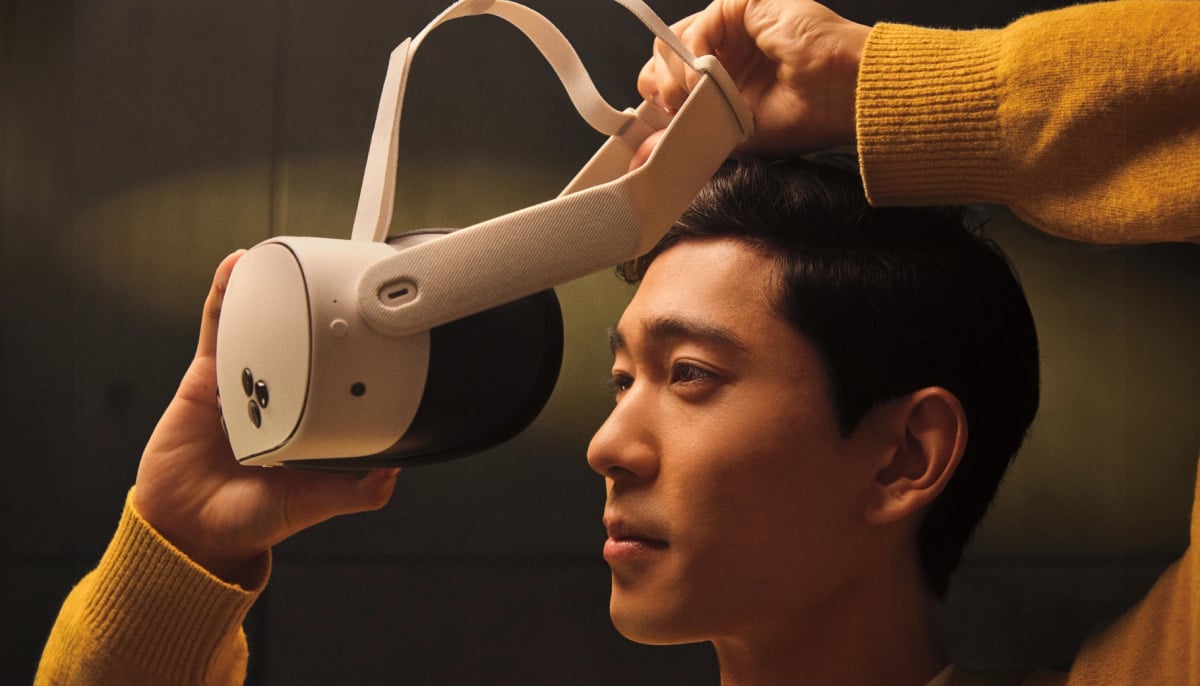
Mixed Reality (MR) is a category that’s arguably been around for decades, but it’s only in recent years that it’s begun to be taken seriously. Companies like Apple and Meta have headsets available that let users interact and manipulate objects and apps within Virtual Reality (VR) or Augmented Reality (AR).
We’ve seen apps and games utilise these headsets, but despite being in the early throes of the category, there’s still plenty of potential for MR devices to be used in esports events.
With this in mind, here are three ways that mixed reality can influence the industry.
Current use of MR in esports
When it comes to mixed reality being used in esports right now, there’s not much to be seen. Indeed, you can use Meta Quest and Apple Vision Pro to watch events like the Esports World Cup and the DOTA 2: The International via apps like Twitch and YouTube. But when it comes to esports events, tactfully using them during competitive gaming and viewer participation, it’s a very rare occurrence.
Indeed, Meta has tried involving itself in esports, like games on its store, but that’s it. With esports only growing thanks to sponsorship, increasing brand awareness, and broadcasting partnerships around the globe, there arguably should be more of a focus on integrating mixed reality headsets in the industry.
Three ways MR could redefine esports events
Enhancing viewer interaction
A big part of what makes esports unique is its viewers and players, but mixed reality could supercharge this aspect to make it more immersive for everyone. For instance, overlays on the headset’s display could show stats, replays, and leaderboards for the current game being played at an esports event.
There could also be opportunities for fans to sit beside their favourite players, essentially getting the best seats at the event without even being there. These interactions could enhance the relationship between fans and esports organisers and redefine how participation could work at events worldwide.
Exclusive MR modes for esports games
Mixed Reality has several opportunities that can enable exclusive modes in the most popular esports games like Dota 2 and VALORANT. For example, a player could freely walk around a map to see how various groups are strategically planning their battles, like in League of Legends, and influence certain players with distractions or attacks that are made with physical gestures.
Players could use MR to train themselves in modes to manage stressful moments at an esports event better — this could include crowd noise, intense battles, or more. Having a simulated environment with all these attributes could better prepare them for an upcoming match to manage their stress levels.
Virtual villages
In the past, the Olympics have hosted various villages for competitors to relax and train between matches without going back to a hotel. For MR in esports, there could be exclusive ‘virtual villages’ where players can relax and train away from fans. This way, they can reflect on past matches and what’s coming up and participate in exclusive interviews with broadcasters that can be shown on streaming services like Twitch and YouTube.
Fans could visit parts of these villages to buy merch and cosmetic items for certain games hosted at these esports events and meet friends and others they’ve made via these games. This way, it reduces costs for the organisers to look into physical ‘villages’ for players and fans. It also makes it more accessible for those who cannot attend due to factors like disabilities and finances.
Esports event in 2035
Imagine the scene – while competitors are getting ready to set up with their foldable devices that will be able to play the next entries of Counter-Strike, League of Legends, and more on a 500Hz OLED Monitor, attendees are not physically present.
Instead, those who have access to the esports event are taking part via their Mixed Reality headsets, with multiple displays on their viewer showcasing different matches, with the primary one having sound enabled. These attendees can also virtually walk around the event, seeing what devices and peripherals the players are using.
When their eyes lock onto certain products, an affiliate link appears, displaying the best price, some reviews, and a short audio clip by the player explaining why they use it. The viewer can buy it right then if they want, thanks to having purchases with eye-tracking enabled.
Between breaks of the highly competitive games, viewers can take part in exclusive modes of titles involved with the events. Fun challenges like ‘face the champion’ of the event held the previous year are held, with others watching the battle with the best view at the venue.
During this time, players can also record clips containing questions for their favourite players, with the opportunity to respond in real-time for certain attendees.
Conclusion
Mixed reality could appear at esports without attendees and viewers realising. Much like how AI appears in certain industries, MR could redefine esports events by letting fans take part virtually. Games like Half Life: Alyx and Star Trek: Bridge Crew have also shown how players can interact in first-person games. Seeing exclusive modes in popular esports titles like Counter-Strike 2 and Dota 2 could help make MR headsets more prevalent in the industry.
Ultimately, MR feels as though it’s on the cusp of being more widely used in many industries — from health to accessibility, and soon, esports. But organisers need to at least test out how these headsets and different apps can work at events to start with. That way, players and viewers can see how MR can justify itself, and more will follow. If that crucial first step is taken, MR could be a force in esports.
FAQs
How much is mixed reality used in esports events?
Although it’s present in some esports events, it’s not a common occurrence.
In what ways could the use of mixed reality change over the next 10 years?
Players could chat to their fans as if they were there with them at certain tournaments, which could help others attend them without the stress and feeling of being overwhelmed that comes with arranging to attend in person.