

Note: This is a guest piece by Jack Davis from ISF Content Media
Esports events are getting quite the surge in viewership at the moment, with the likes of Twitch and YouTube reporting increased traffic in March and April. The ESL Pro League saw a 27% increase in viewership (year on year) for its mid-March CS:GO event.
Of course, esports was already on an upward trajectory. However, now that standard sports schedules lie empty, and esports leagues continue to operate, there is something of an opportunity to grow the fanbase and, as a consequence, the scope of the industry.
However, esports’ growth and its prevalence at this time have been widely discussed elsewhere. So, what we would really like to focus on is the industry’s opportunity to muscle in on traditional sports markets.
Traditional sports clubs already saw a future in esports
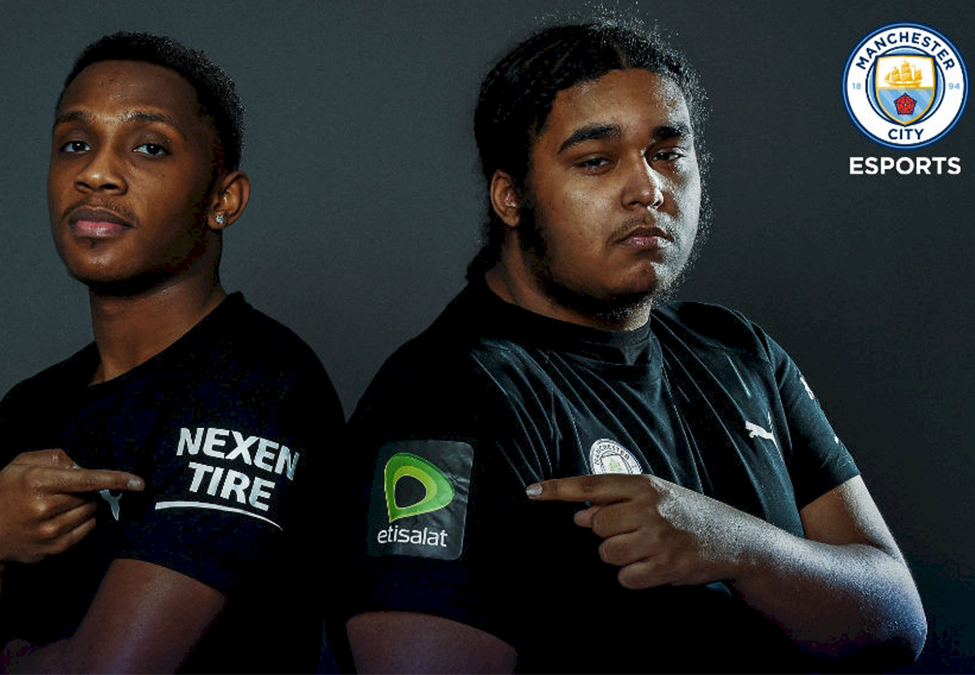
The first thing we should say is that there has already been a blurring of the lines between esports and traditional sports teams. For example, Premier League club Manchester City launched an esports team in 2019. It competes in the Online Star League in China. Analysts believe that City’s foray into Chinese esports was to build the brand of the football club in that country, a key priority by all accounts. And yet, you would not be surprised if the club soon realises that competing in esports represents an end in itself.
Similarly, we have seen clubs participating in the Ultimate Quaran-Team tournament. A hastily arranged FIFA 20 tournament that featured 128 professional football teams from across the globe. The competition was put in place due to the postponement of league fixtures, and it was a good way to raise money for lower league clubs who will have missed the gate receipts this spring. However, it’s highly unlikely that football’s money men did not notice the amount of interest in viewing and betting on these games.
Other sports have got in on the act, too—particularly motor racing, where virtual races replaced F1 and NASCAR events. The two motor racing disciplines even had a specific competition, termed the All-Star Esports Battle, with NASCAR and F1 drivers played rFactor 2. A reported half a million viewers tuned into YouTube to watch the event. But once again, this was no flash the pan either; Red Bull, for example, started investing in an esports team last year.
Esports industry can capitalise on raft of new fans
The point is this: Whether by circumstance or design, traditional sports institutions and, significantly, the fans are waking up to the merits of esports as a direct replacement for sports. A running joke down the years has been that esports “is the most popular sport you have never heard of”, but there is some truth in this saying. Many of the people watching these events, from executives to fans, will have had an eye-opening experience in the last few weeks.
For the esports industry, there is an opportunity to capitalise on this surge of interest. Many people will go back to traditional sports once the schedules resume. But many others will have had their heads turned. Games like EA’s FIFA have been an important part of the industry, but the interest in them as a competitive sport pales in comparison to games like League of Legends and Overwatch. But don’t be surprised to see that narrative shifting in the coming months.
Disclaimer: This article is in cooperation with ISF Content Media