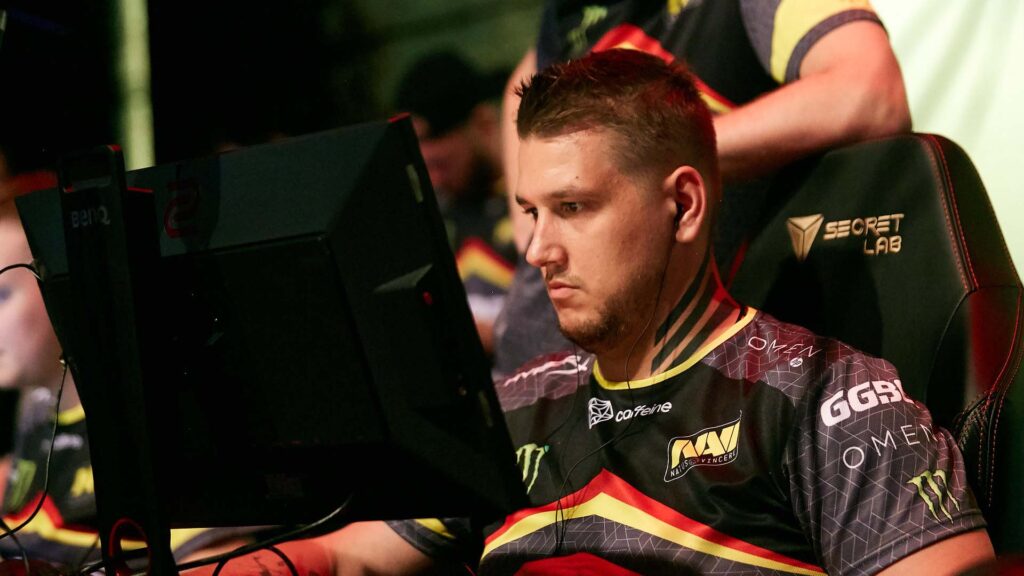
Former Counter-Strike player Danylo ‘Zeus‘ Teslenko recently shared his experiences with match-fixing during his time as a professional player.
The Ukrainian, known for his time representing NAVI and Gambit Esports, reveals he was offered significant amounts of cash to throw matches.
In an X post from CS2 NEWS, Teslenko revealed that on one occasion, he was offered ‘an insanely large amount’ of money to throw a match he was playing in.
“I’ve been offered money to throw matches many times — big cash. At one point, it was an insanely large amount. But I never gave in, and I’m really glad I didn’t,” revealed Zeus.
“I knew that after 20 years of grinding in esports, one bad decision could erase everything I had worked for. My achievements could be completely ruined in an instant.”
Despite the best efforts of tournament organisers and third-party bodies, the topic of match-fixing in esports remains prevalent within the industry. iBUYPOWER has just been unbanned from Valve tournaments after 10 years for match-fixing. A decade ago, dozens of CS:GO players were banned for match-fixing during an investigation into the issue.
The issue persisted, and the FBI even got involved a few years ago, joining forces with the Esports Integrity Commission (ESIC) to take down a small group of match-fixers in the CS2 scene.
Most recently, Mogolian esports organisation ATOX received bans and disqualifications from PGL and BLAST events amid an investigation from the ESIC.
The reasoning behind the provisional suspension from the Commission has yet to be revealed, but it is rumoured that the team is under investigation for suspected match-fixing offences.
ESIC has spearheaded efforts to reduce the amount of match-fixing taking place within various esports titles and tournaments.
In 2025, it has already issued bans to players in violation of its betting regulations. March saw the Commission apply a three-year ban to Illya ‘Ganginho’ Chernychenko, preventing him from competing in EISC-sanctioned competitions until December 2027.
With Zeus, a former Counter-Strike Major winner, highlighting the presence of match-fixing in Counter-Strike, raising awareness of the issues continuing to affect the highest tiers of competition is essential to maintaining the integrity of matches taking place on a daily basis.