TL;DR
- Fortnite, created by Epic Games, came out in 2017 and has become one of the defining battle-royale games in the genre.
- In 2025, Fortnite saw several successes, with The Simpsons mini-season attracting 2.7 million players who regularly logged in.
- Third-party microtransactions were enabled on January 12, 2026, allowing creators to offer items ranging from 150 V-Bucks to 5,000.
- Fans have criticised how Epic Games has essentially given creators free rein with microtransactions.
- Already, many are calling for Epic Games to set some restrictions on how creators should use microtransactions.
Fortnite has increasingly evolved into a platform, and in January 2026, developer Epic Games took further steps to solidify this. Third-party in-island microtransactions were rolled out, meaning that creators could set prices within their maps, earning 100% of the V-bucks spent by players. After January 2027, Epic Games will take a 50% cut.
Although the idea sounds good for creators, it has already led a few to create loot boxes and gambling mini-games on custom maps that use third-party microtransactions. With millions of kids playing Fortnite, it’s likely they’ve been exposed to, or are about to be exposed to, these games. Here’s why it’s setting a bad precedent for Fortnite.
Why third-party microtransactions in Fortnite are a bad idea
Paying for in-game items from third-party developers is nothing new. For almost as long as Apple’s App Store has been live, users have been able to buy methods that help them progress further in games like Bejeweled Blitz and Fishdom. But in Fortnite, it’s a different ball game.
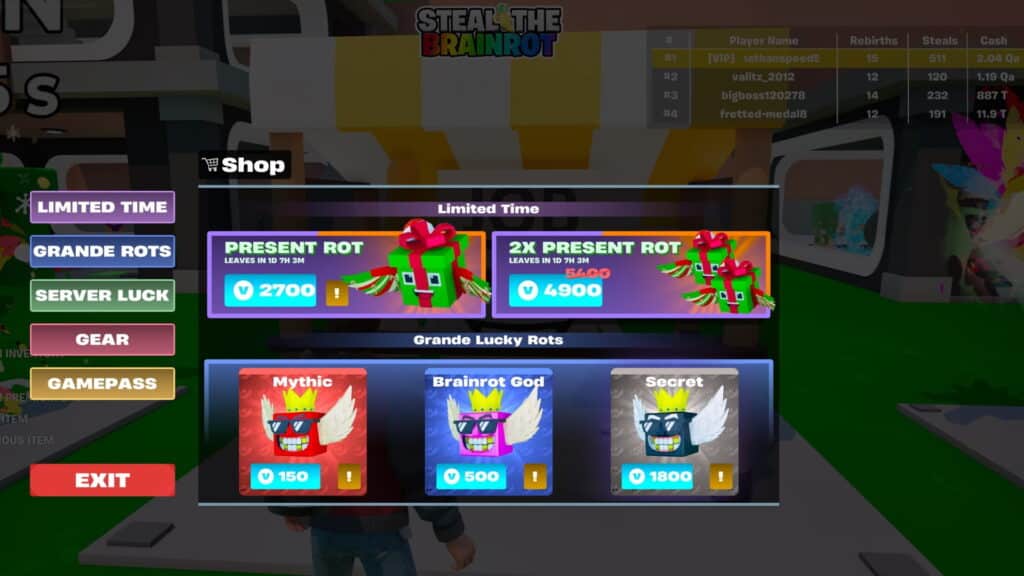
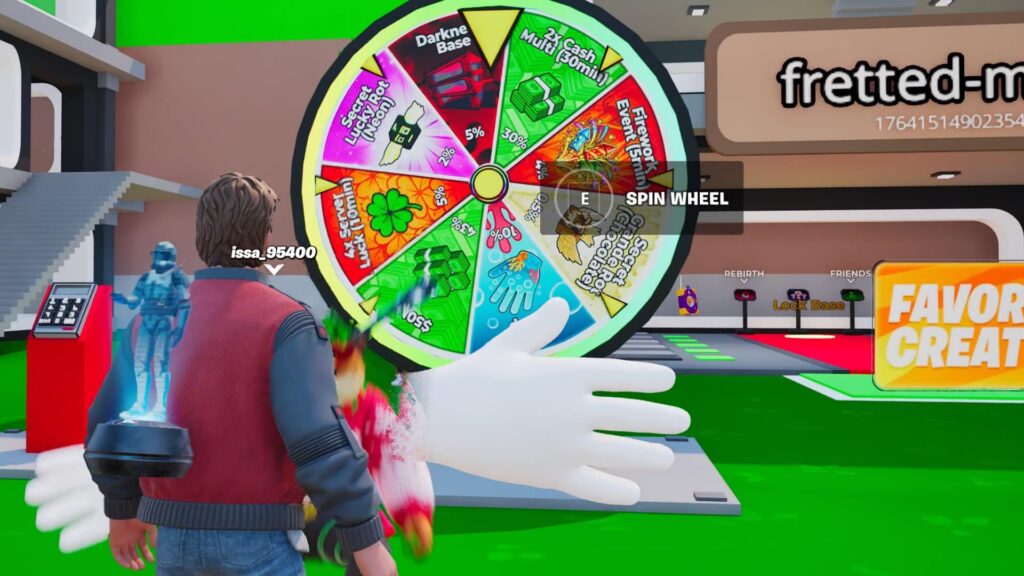
For example, a third-party map called Steal the Brainrot offers players several loot boxes ranging from 150 V-Bucks to 5,000. There’s also a spin-the-wheel game at 100 V-Bucks apiece. When it comes down to it, this is gambling, and if kids come across this certain map who have a lot of currency to spend, it could go in an instant from maps like Steal the Brainrot.
It’s worth mentioning that Epic Games has set certain restrictions on how third-party microtransactions can work, with the limit for an item being 5,000 V-Bucks; they can’t be a rip-off of what Fortnite is selling itself, as well as the countries they’re allowed in, which include:
- Australia
- Belgium
- Brazil (U18, effective March 2026)
- Netherlands
- Qatar
- Singapore
- United Kingdom (U18)
There are also parental controls that limit how kids playing Fortnite can use V-Bucks, such as requiring a PIN before purchases and age-based restrictions. But there needs to be more.
How Epic Games can fix Fortnite’s third-party microtransactions
First off, there should be parental controls to ban third-party microtransactions outright. Despite players under 13 being under a Cabined Account that watches for any unauthorized purchases in Fortnite, there are still ways to bypass this. In addition, some between 13 and 20 are still at risk of going to maps like Steal the Brainrot and wasting V-Bucks. Having a toggle to ban these could be a positive step.
Second, the ability to set third-party microtransactions shouldn’t be a feature granted to all creators right away. Much like accounts on Twitch and YouTube have to grow their channels and followers to monetize, Epic Games should consider something similar to allow third-party creators to earn microtransactions over time. Perhaps once they’re granted, a limit of 500 V-Bucks should be set, then raised over time. This way, there’s some control over what they may offer, and it gives parents some peace of mind.
Finally, lootboxes and spin-the-wheel games should be outright banned. It makes no sense for Epic Games to allow them in Fortnite, especially when some maps outright offer these gambling games for 5,000 V-Bucks, the equivalent of roughly $40. These are already doing indirect harm to Fortnite as a whole, and it takes away from the fun that its main modes have been offering for years.
Epic Games has done a lot of good for the Fortnite community and its collabs, but it’s risking a lot by not being a bigger overseer on how third-party microtransactions are currently being used by some creators.
Conclusion
Considering we’re only a week from third-party transactions being offered, it’s not been a great week for Epic Games. Although it’s intended to supercharge creators by offering paid items to help them monetise their brands, other maps, such as Steal the Brainrot, have already shown that the approach is flawed.
Epic Games needs to recognise that some will take advantage of what’s currently offered within the rules of third-party transactions. Loot boxes and other gambling games don’t have a place in Fortnite, or any game for that matter. If the developer implements certain guardrails, such as those we’ve mentioned above, it could help restore goodwill with players.
FAQ
What are third-party microtransactions in Fortnite?
Third-party transactions allow creators to offer items from 150 V-Bucks to 5,000 in their custom maps.
Can you get banned for using third-party Fortnite sellers?
Yes, if you offer items that directly copy those available in the Fortnite Item Shop.
What does Epic Games say about third-party sellers?
Epic Games is satisfied that maps like Steal the Brainrot follow the rules, but others disagree.
Do third-party Fortnite sites target kids?
Absolutely. Despite there being plenty of parental controls, some third-party Fortnite sites still offer enticing skins and maps to certain age ranges.
REFERENCES
- In-Island Transactions Overview (Epic Games)
- TheCoolDoggo on X (X)
- Bejeweled Blitz (App Store)
- Fishdom (App Store)
- STEAL THE BRAINROT (Fortnite)
- In-Island Transactions Restrictions (Fortnite)
- Parental Controls (Epic Games)