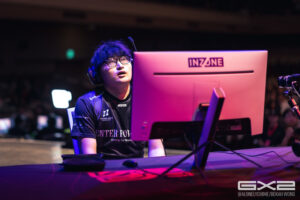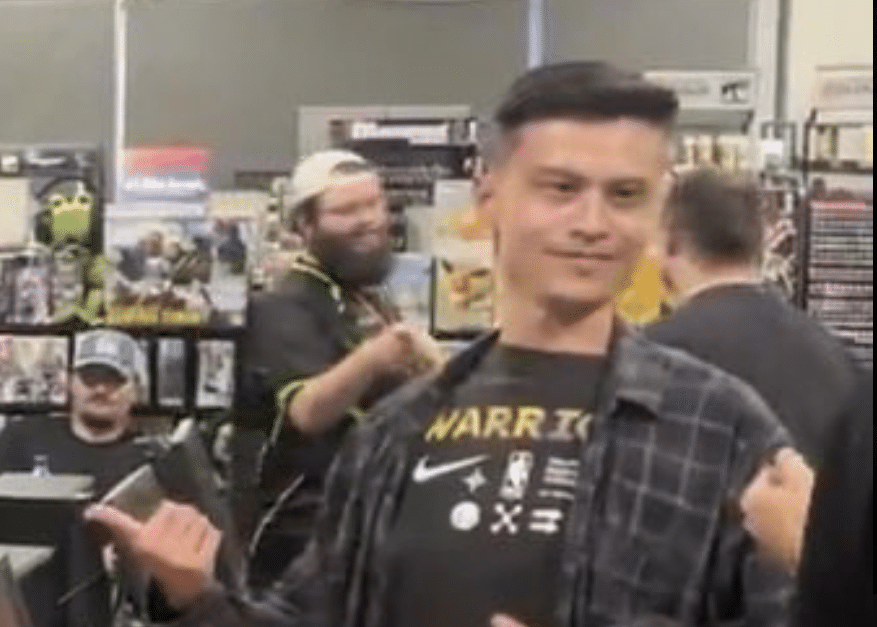
Last week, a video of North American Counter-Strike trash-talk went viral, as SportsBetExpert’s Shane “shane” Dressler was recorded yelling at Without a Roof’s Jake “Stewie2K” Yip after winning a series 2-0 at FRAG Midwest St. Louis 2026.
In this (primarily) one-sided altercation, shane got right in Stewie’s face and started calling him out, telling him to “never scream at anyone again,” but most importantly, bringing up the Major winner’s scandal last year, where he was exposed for allegedly scamming traders and streamers off over $40,000.
What the heck is happening in CS2, bro
So, if you need a little bit of context, let’s go over what actually happened.
There was a $10,000 North American LAN tournament in the United States taking place last week. Several teams from the country took part, but the one fans were keeping an eye on was a stack named Without a Roof – a squad that featured NA legends like Stewie2K, Timothy “autimatic” Ta, and Vincent “Brehze” Cayonte.
Unfortunately, the old-timers were no longer in prime form and conceded a series to SportsBetExper in the Consolidation Final, meaning they were eliminated in third place. With this tournament being a relatively small LAN, both teams were playing right in front of each other. Old-school.
One of the members from the winning team, shane, wasted no time talking trash to Stewie, saying that he was pushing 30, telling him maybe it’s time to start a family, but also bluntly saying, “You stole forty thousand f***ing dollars, dude.”
If you’re out of the loop, shane was referencing Stewie’s incident in 2025. Last year, a skin trader going by MitaoCatCS went public with a deal that went wrong. MitaoCat was buying skins from Stewie and paid upfront, thinking that one of the most celebrated pros in the world would be trustworthy enough for a trader to go first.
However, instead of delivering the skins, Stewie started stalling and even sent fake photoshopped screenshots to buy himself more time.
Eventually, MitaoCat felt like he had waited too long and went public. Other content creators also piled on the situation – Félix “xQc” Lengyel mentioned he lent Stewie several high-tier skins for a tournament in 2024 but never got them back. YouTuber juicy also claimed he was owed over $30,000, and that Stewie had been borrowing or owing money to several other people, too.
However, it’s also worth noting that shane – the guy in the viral video – isn’t the cleanest messenger here either. According to B1U3cs on X, the dude has apparently been banned from multiple platforms for racism, sexism, death threats, and more – the complete package, pretty much. Shane’s history is fair enough to bring up, but it doesn’t make the underlying accusation against Stewie any less real.
MitaoCat has revealed that he was paid back with interest, and YouTuber TDM_Heyzeus also mentioned that Stewie has sorted out a significant amount of his debts already – so that’s a good sign. But it’s still hard to ignore that none of it moved until the story went public and started costing Stewie his reputation.
Not exactly a first offense
The thing is, Stewie’s case isn’t some one-off – there have been lots of similar situations with professional Counter-Strike players borrowing skins and misusing them.
Last year as well, Joakim “jkaem” Myrbostad, a player who made two Major semi-finals, got dragged for gambling away skins that had been lent to him for the Paris Major, totaling roughly $11,000 combined. According to Aleksandar “kassad” Trifunović, a coach who had worked with jkaem in the past, the pro player actually owed over $300,000 to various people, including $58,000 to himself.
In 2023, Azbayar “Senzu” Munkhbold also had a case of his own. When he was 16, Senzu was benched from Team NKT for apparently gambling away and losing skins that his teammates had lent him. And yes, this is the same guy who would go on to join TheMongolZ and make it to the BLAST.tv Austin Major grand final – so whatever damage that scandal did clearly didn’t follow him very far.
So, we have a bunch of different names, but the same shape of story. A pro player gets handed thousands of dollars in borrowed items or advanced payments because they’re assumed to have a good reputation. And somewhere down the line, the items or deals don’t end up the way they were supposed to.
How pros keep getting away with it
So, we’ve had cases with Stewie, Senzu, and jkaem that have gone public. But I don’t think I’m crazy for not thinking that’s the full list. Given how loosely stuff like this gets handled, it’s hard to believe these are the only pros who’ve ever borrowed skins, gambled them away, or ghosted a trader. There are probably a handful more sitting quietly in someone’s DMs.
The thing is, none of this really works without the informal economy underneath it. Skin lending or having traders go first doesn’t run on contracts, but rather on reputation. Traders or content creators are often willing to hand over five-figure items to pros because some of these guys are Major finalists or even winners.
Plus, some collectors even lend pro players skins just so they can use them at the Major. It’s just like lending your soccer shoes to Cristiano Ronaldo and having him wear them at the World Cup.
In all of this, there’s no real authority stepping in. Orgs don’t keep an eye on their players borrowing other people’s skins since it’s not really the team’s fault. Obviously, tournament organizers like ESL, BLAST, and PGL wouldn’t bother batting an eye at it or disqualifying players for unpaid debt. That’s seen as a somewhat personal matter in Counter-Strike esports at the moment.
The only reason any of these cases actually get resolved is by exposing the pros to the public, and hoping the pressure leads them to do the right thing. MitaoCat got paid back after going public, and jkaem also seems to be committed to resolving his fiasco only after he was exposed.
And even then, the internet doesn’t always process this the way you’d expect. If you check out the quoted tweets on the Stewie and shane clip we discussed above, you’ll find people saying he might’ve “cleaned his slate” by making a funny face while getting called out. Once more, benefiting from being esports famous.
And honestly, Counter-Strike fans are people living their own lives, they’ll probably forget about a pro player owing someone else money in a week or two – no employed person will care too much about it, either.
So, until something changes all that, issues with skin borrowing, lending, or trading with pros might continue. In most cases, there are barely any issues – pros get lent skins for a Major then return them after quite often. But if they don’t, there’s really not much stopping them beyond the risk of getting publicly exposed.
Sure, maybe some orgs might drop such players from their rosters and won’t work with them anymore, but take a look at Senzu. The guy scammed his teammates and still got signed by the best team in his country, and nobody really remembers that situation anymore.
Until anything changes, collectors, traders, and content creators should probably do a background check on who they’re lending skins to.