TL;DR
- Pick a balanced team comp with at least one Vanguard, Duelist, and Strategist for optimal synergy.
- Focus on mastering at least two heroes per role to stay flexible.
- Optimise your settings for smooth performance and max FPS – lower your graphics, disable V-Sync, and customise your crosshairs.
- Learn the maps inside and out, paying attention to objectives, high ground, and possible flanking routes.
- Communicate with your team, use pings and callouts, and draft around Team-Ups.
- Stay on top of the meta by reading patch notes, playing consistently, and adapting strategies as needed.
If you’re interested in how to play Marvel Rivals like a pro, you’re in the right place. Esports Insider has compiled this comprehensive guide to level up your game. It’s not as simple as jumping into the game and dominating the kill-feed from the get-go.
With constant Marvel Rivals updates, there are a lot of players to learn and digest in this ever-evolving game, with over 30 unique heroes, abilities, maps, and game modes.
We’ll also cover Marvel Rivals’ best strategies to help you win more, communicate better with your team, and keep up with the evolving meta.
How to play Marvel Rivals in 2026
Players select a hero from a growing roster, currently with 46 heroes. These are divided into three core roles (Strategist, Vanguard, and Duelist), which we’ll explain in more detail further down. Team composition is crucial, so picking a balanced squad is key to victory.
Marvel Rivals takes players across iconic maps from the comics, movies, and beyond. The game offers a wide variety of arcade games – including Conquest and Doom Match, plus three Marvel Rivals game modes in quick play and ranked for a varied experience:
- Convoy: Your team will randomly be assigned offence or defence. As offence, your goal is to escort a cart or moving object by standing nearby, which defenders will attempt to stop you by eliminating your team. If the offensive team escorts it to the endpoint within the time limit, they will win.
- Domination: Your team and the enemy team attack a single point on a small map, attempting to capture and hold it until it reaches 100%. This process then continues onto a second map. The first team to reach two captured points wins.
- Convergence: Your team will randomly be assigned offence or defence. As offence, your goal is to attack the first checkpoint, with defenders trying to fend you off. If offence captures a checkpoint in time, they’ll move along the map to the next checkpoint. The offensive team must capture three checkpoints within the time limit to win.
Marvel Rivals is all about working together — leveraging team synergies while keeping objectives front and centre. Whether you’re chasing victory in the latest Marvel Rivals season or playing casually in quick play, success is all about good communication, optimisation, and mastering your chosen heroes.
Five tips on how to improve your Marvel Rivals gameplay
If you’re looking to climb the ranks in Marvel Rivals, follow these five advanced tips to start playing like a pro.
1. Understanding Marvel Rivals characters
First things first, you’ll need to get to grips with all Marvel Rivals heroes, and the three roles they all fall into.
All heroes are unlocked by default, so you’ll have full access to the entire roster from the moment you start playing. It’s recommended you focus on at least two heroes per role, so you can stay flexible to whatever your team comp needs.
Vanguard
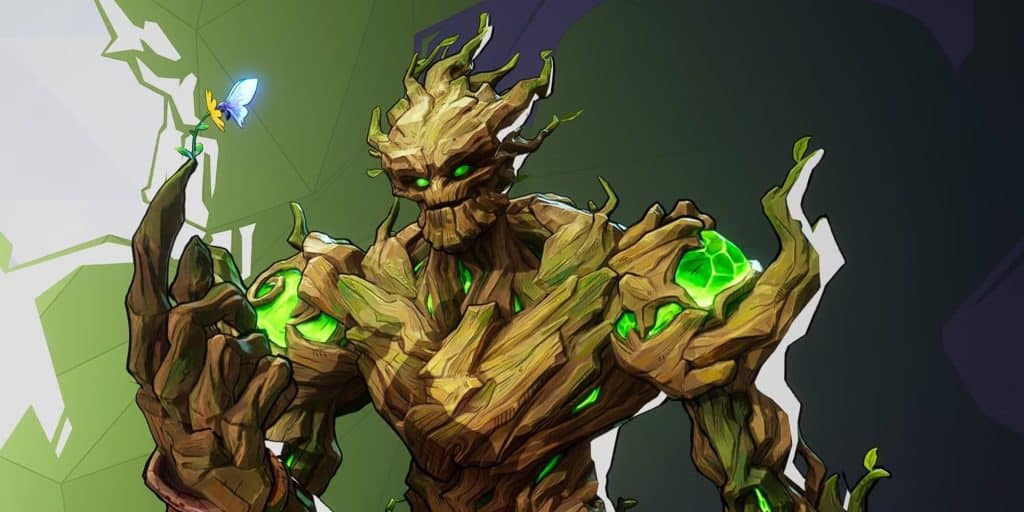
Vanguards are the front-line bruisers who lead the charge, soak up damage, and create space for their team. There are two different types of Vanguards, which position themselves differently: Offensive and Defensive.
The former are more aggressive and can leap into the fray, creating space for their team by harassing the enemy while dealing respectable damage. Some examples of offensive Vanguards in Marvel Rivals include Thor – a hammer-wielding brawler-style tank – and Venom, who excels at diving in and out of the enemy backline. Meanwhile, Defensive Vanguards offer more survivability, designed to soak up or offset damage and let their team do the talking. Doctor Strange and Magneto are examples of excellent Defensive tanks thanks to their large shields and high health bars.
Another important factor to consider when playing as a Vanguard is crowd control. This refers to skills that can disrupt enemies in different ways, such as stunning them, knocking them over or pulling them together in a group. Not only can crowd control skills give allies a moment to breathe, but they can also be game-changing, as when paired appropriately with other skills, they can create entire team wipes. Some great examples of crowd control Vanguard skills that can be paired with various other abilities include Doctor Strange’s Eye of Agamotto, which stuns any enemies within a 10m radius, or Groot’s Strangling Prison, which imprisons all enemies within 8m in a prison made up of Groot’s vines.
All the Vanguards in Marvel Rivals
- Angela
- Deadpool
- Rogue
- Doctor Strange
- Emma Frost
- Hulk
- Groot
- Magneto
- Peni Parker
- The Thing
- Thor
- Venom
- Captain America
Duelist
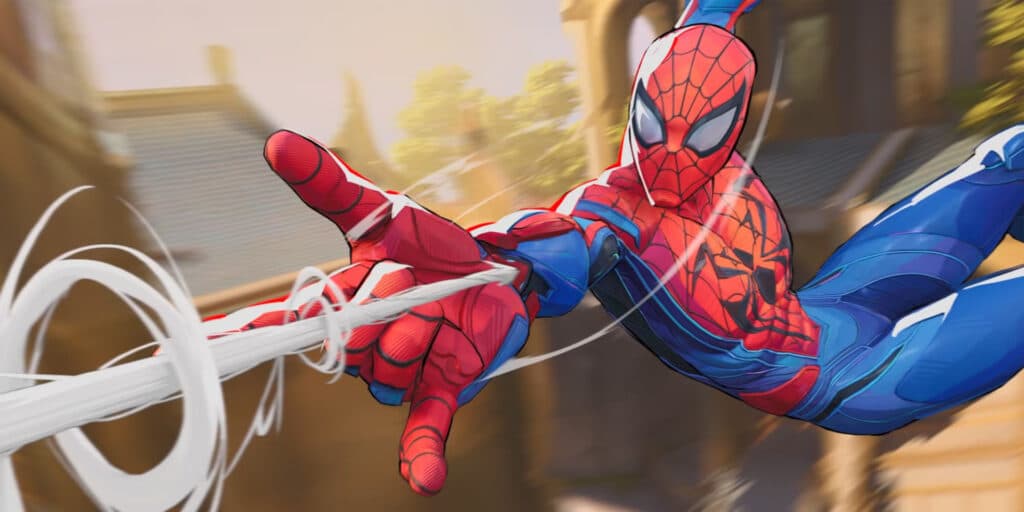
Duelists are the damage-dealers, designed to eliminate targets fast using a mix of weaponry and abilities. There are several different types of Duelist, so there’s something for every type of player, whether you prefer snipers, flanking, melee, or mid-range combat. Think about your positioning carefully as a Duelist, as you don’t want to be caught out.
Duelists can be separated into several categories – as mentioned – such as flankers, snipers, brawlers and aerial attackers. When it comes to flanking, consider Black Panther or Spider-Man. Both heroes are nimble and can get in and out of enemy lines quickly and efficiently. Spidey can webswing away when necessary, while Black Panther’s agility allows him to navigate potentially life-threatening situations with ease. Top-tier sniper choices include Hela or Hawkeye, while some effective melee Duelists are Mister Fantastic or Wolverine. Storm and Iron Man can be great aerial DPS characters, but they need to be used properly to avoid getting immediately taken out during a match.
Be aware that Duelists differ significantly when it comes to difficulty levels. If you are new to the game and are looking for a Duelist who is easy to learn, opt for a hero like Scarlet Witch, who has automatic lock on for her primary attack, or Squirrel Girl, whose explosive acorns can lower enemy health very quickly. The Punisher is also a great choice for beginners, especially those accustomed to FPS games.
All the Duelist Marvel Rivals characters
- Blade
- Daredevil
- Deadpool
- Hela
- Phoenix
- Hawkeye
- Iron Man
- Psylocke
- Spider-Man
- Storm
- Winter Soldier
- Black Panther
- Human Torch
- Iron Fist
- Magik
- Mister Fantastic
- Moon Knight
- Namor
- Star-Lord
- Wolverine
- Scarlet Witch
- Squirrel Girl
- The Punisher
- Black Widow
Strategist

Strategists are the supports of the Marvel Rivals world, bringing utility. They’re the healers, buffers, and zone controllers, helping to keep the team alive and push fights in your favour.
Much like Duelists and Strategists, there are different types of Strategists, with some characters being stronger than others in certain team comps or match situations. When it comes to heal heavy Strategists, some strong choices are Rocket Raccoon and Cloak & Dagger. For Strategists who provide other utility skills, heroes such as Ultron, Adam Warlock, or Deadpool are ideal. There are also Strategists that excel at helping with control, such as Loki – whose clones can cause chaos – and Mantis, who can put enemies to sleep.
Some Strategists work better as secondary supports due to limited healing, but these same heroes tend to have an abundance of helpful utility skills. Mix and match Strategists to find a comp that suits you and your team best, but be sure that you have at least one Strategist who can mainly focus on healing.
All Marvel Rivals Strategists
- Deadpool
- Gambit
- Invisible Woman
- Luna Snow
- Rocket Raccoon
- Loki
- Mantis
- Cloak & Dagger
- Adam Warlock
- Jeff the Land Shark
- Ultron
Each role is crucial to the team strategy. Since Marvel Rivals is a 6v6 team-based game, you’ll want a healthy mix of all three roles to give your squad the best chance at winning. The Marvel Rivals meta changes often; a team stacked with Duelists might have the firepower, but without a Vanguard to soak up the damage or a Strategist to support the fight, it’ll all fall apart during team fights.
If you’re interested in how things stand, check out our Marvel Rivals character tier list. You should also keep in mind hero difficulty. Some characters, like Rocket Raccoon, are more beginner-friendly, while others, such as Spider-Man, take practice to master fully. Each character has a unique difficulty rating in the hero select menu, giving you a rough idea of how much effort it’ll take to get good with them.
New Marvel Rivals updates can often buff, nerf, or rebalance heroes, so always keep an eye on the newest patch notes.
2. Learning Marvel Rivals maps

Knowing your surroundings and how to get around are key to improving your Marvel Rivals gameplay. As of Season 6, there are 15 main Marvel Maps and three arcade maps in the game, taking place in seven different regions of the franchise’s universe. We’ve listed each map below, alongside the specific game mode it’s associated with.
- Convoy: Arakko, Yggdrasill Path, Spider-Islands, Midtown
- Domination: Royal Palace, Birnin T’Challa, Hell’s Heaven, Hellfire Gala, Klyntar
- Convergence: Shin-Shibuya, Hall of Djalia, Symbiotic Surface, Central Park, Heart of Heaven
Each Marvel Rivals map has its flow, chokepoints, and verticality, so it’s worth practising on each one to learn flanking routes, sniper angles, and optimal paths for objectives. Some maps may even have environmental hazards or interactable elements, like destructible terrain or jump pads, that can turn the tide in a fight. Learn where these are and use them to your advantage.
3. Optimising your Marvel Rivals settings
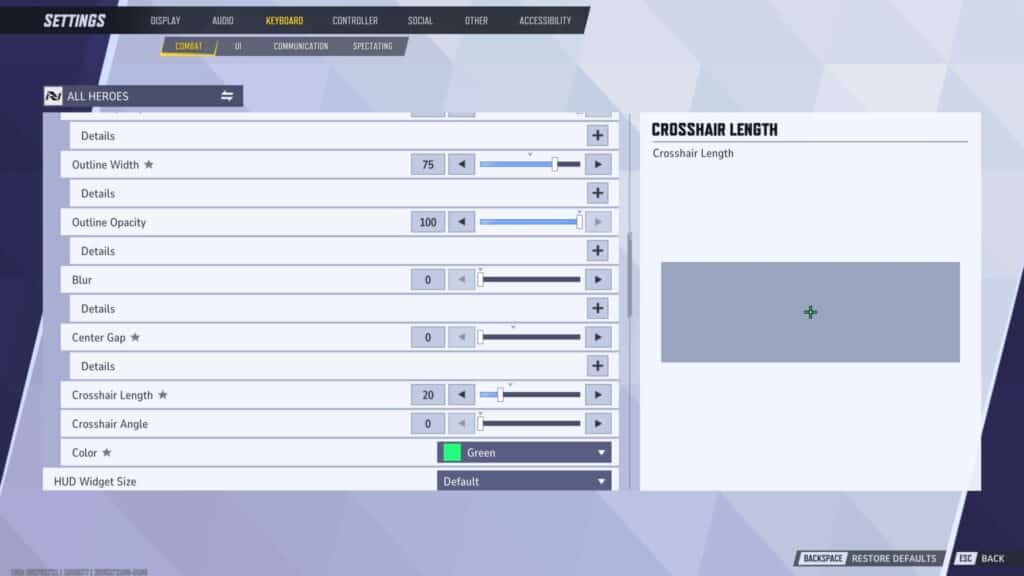
Before seriously committing to competitive play, you should optimise your Marvel Rivals settings. This includes tweaking the display and graphics settings to get the maximum FPS (frames per second) for your machine.
For most players, this involves turning all graphical options down to ‘Low’ and disabling V-Sync for the best possible performance. For more detailed guidance on adjusting these, check out our guide for the best Marvel Rivals FPS settings.
One of the best Marvel Rivals features is the customisation options available. You can create unique crosshairs to suit all your favourite heroes, like a small, cyan-blue dot reticle for Black Widow’s sniper rifle or a wide circle crosshair for Human Torch’s fireballs.
There are also some hero-specific toggles in the settings that you can turn on or off. For example, Spider-Man’s webs connect to objects automatically by default, but turning this off via settings lets you sling webs manually, giving you more freedom. Experiment with these settings in the Practice Range or casual play and find what works best for you.
4. Communication is key
At its core, Marvel Rivals is a team game; winning will almost always rely on how well you coordinate team play. One of the standout features of the game is the Team-up Abilities, which are only activated when specific heroes are in a team composition together, so you should prioritise these when selecting heroes in draft for an extra power shift.
These abilities allow for more powerful combos, which can drastically increase the momentum of a match. Here are some examples of Team-Ups that can be activated whenever any of these mentioned heroes are in a match together:
- Fantastic Four (Invisible Woman, Mister Fantastic, The Thing, Human Torch)
- Arcane Order (Doctor Strange, Magik, Scarlet Witch)
- Explosive Entanglement (Gambit, Rogue, Magneto)
Team-ups change in each season. Some team-ups are altered, with heroes added or taken away, while others are retired completely. These team-ups can alter the trajectory of a match, so be sure to be aware of them and use them wisely, especially in Competitive games.
As with any team game, communication is important. Use all tools at your disposal to communicate with your team, whether that’s through voice or text. Even if you don’t want to use voice directly, you could still join and mute yourself to listen out for any helpful call-outs.
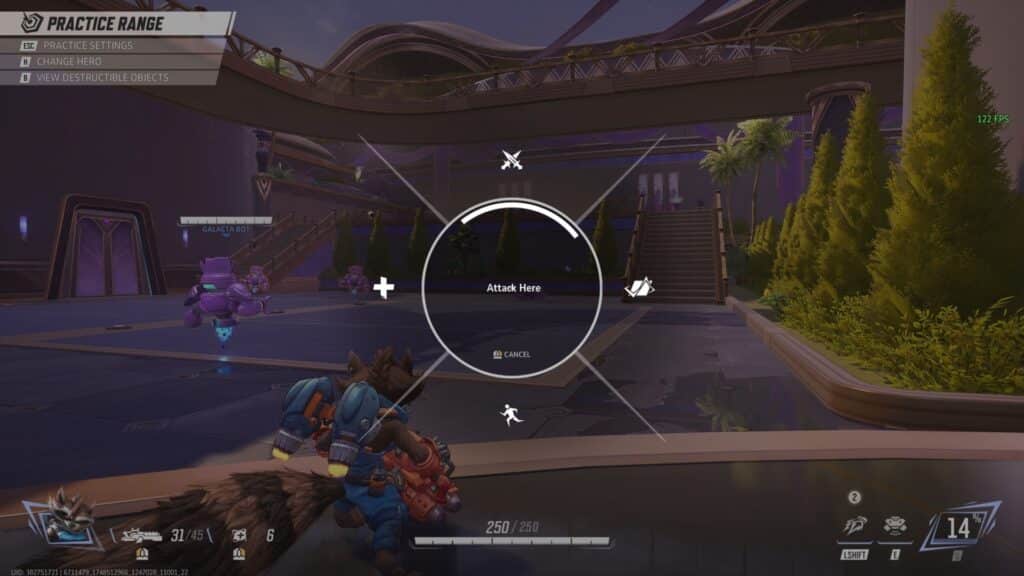
Marvel Rivals also uses a ping system, where you can communicate with your team about incoming threats, ultimate ability status, or to group up and attack together. By default, on PC, you can press the middle-mouse button to trigger a ping or the D-pad if playing on console.
5. Play the objectives
Never lose sight of the objectives in a Marvel Rivals game. It’s easy to get lost in the kill feed, but these objectives are always what win games in all three game modes. Only chase after opponents if it’s what allows you to push forward, capture points, or disrupt the enemy’s progress.
Ensuring you don’t stray too far from the capture point or payload is important for securing the dub. Getting kill-hungry and greedy can result in you diving into the midst of a freshly-spawned team, leaving your team a player down once the enemy makes their way back to the objective.
Conclusion
Mastering Marvel Rivals gameplay is all about understanding heroes, working as a team, and staying laser-focused on the objectives. Any small change you make to your gameplay can give you an edge, whether it’s tweaking your settings, learning maps, or picking the right mix of Vanguards, Strategists, or Duelists.
Even with these Marvel Rivals advanced tips, you won’t become an expert overnight – practice makes perfect. Our best advice is to play consistently and experiment with different heroes and roles in the Practice Range and quick play.
Don’t forget to keep an eye on the patch notes to stay ahead of the meta and adjust your strategies. With the right mindset and a little grind, you’ll learn how to play better at Marvel Rivals in no time!
FAQs
When did Marvel Rivals come out?
Marvel Rivals’ release date was December 2024. The game also has themed seasons, and is currently in Season 6.
What is Marvel Rivals playable on?
Marvel Rivals is free-to-play on Windows PC, PlayStation 5, and Xbox Series X and S, with crossplay fully supported.
Is Marvel Rivals for kids?
Marvel Rivals is rated PEGI 12, and is enjoyed by both teens and adults.
What is the concept of Marvel Rivals?
Marvel Rivals is a team-based FPS where players step into the shoes of superheroes and villains from across the evolving Marvel multiverse. It revolves around 6v6 strategic gameplay with various game modes.
What is the latest Marvel Rivals season?
The latest season of Marvel Rivals is Season 6, which was released on January 16, 2025. Season 6 is called Night at the Museum, and the most significant addition to the game is the character Deadpool. Deadpool is the first hybrid Marvel Rivals hero who can be used as a Vanguard, a Duelist, or a Strategist.
How to get better at Marvel Rivals?
Master at least two heroes for each role, learn their abilities inside and out, and stay adaptable in the draft. Don’t forget to review your matches to see what areas you can improve.
How do I make Marvel Rivals run smoothly?
Ensure you’re using a wired broadband connection instead of Wi-Fi, disable V-Sync, and update your device drivers. It’s also recommended to turn your graphics settings down to Low for the maximum FPS.
How to improve aim in Marvel Rivals?
Lower your mouse sensitivity, turn off V-Sync, and spend time in the Practice Range to dial in your aim with different heroes. To improve mechanically, you can try software like Aim Labs or Kovaak’s to improve your flicks and tracking.
How to get a high rank in Marvel Rivals?
The best Marvel Rivals pro tips include playing consistently as well as filling roles, communicating with your team, and prioritising objectives over kills. Keeping all this in mind will make you climb the ranks in no time!
REFERENCES
- Marvel Rivals Season 2.5 Version 20250530 Balance Patch Notes (Marvel Rivals.gg)